••
GNAT Backs AI Integration in Basic Schools as Ghana Strengthens Educational Ties with China
•2 min read•2 sources
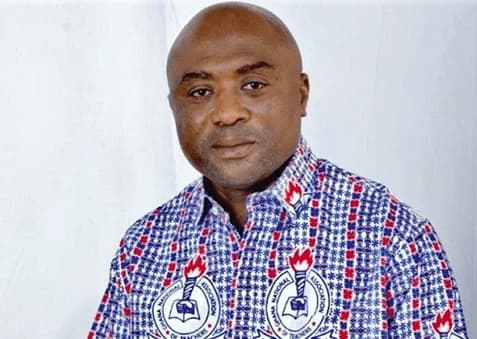
Ghana’s education sector is witnessing a dual push toward modernization, focusing on both technological integration and enhanced international cooperation. The Ghana National Association of Teachers (GNAT) has officially welcomed the introduction of Artificial Intelligence (AI) into the revised kindergarten and primary school curricula, viewing it as a critical step to give children an early competitive edge. Simultaneously, the Chinese Ambassador to Ghana, Cong Song, has emphasized that the future of bilateral relations depends heavily on educational and cultural exchanges, highlighting a broader shift toward preparing Ghanaian students for a globalized, tech-driven future.
Thomas Musah, the General Secretary of GNAT, praised the collaborative efforts of the Ministry of Education and the National Council for Curriculum and Assessment (NaCCA) for bringing AI to the basic education level. However, he warned that the success of this ambitious curriculum depends on a clear implementation roadmap and the provision of adequate teaching resources. Musah also called for dedicated funding to address systemic issues, citing the recent Auditor-General’s Report which revealed that over three million children are currently studying in substandard conditions. He stressed that for AI to be effective, it must be aligned with national development plans and supported by improved physical infrastructure.
Expanding on the international dimension of Ghana's educational growth, Ambassador Cong Song highlighted the significance of people-to-people cooperation during a recent address in Accra. He noted that while trade and investment remain vital, the true bedrock of Ghana-China relations lies in the relationships formed through exchanges among students, journalists, and cultural institutions. The Ambassador pointed to the growth of Chinese-language education in Ghana as a success story and advocated for a reciprocal promotion of Ghanaian history and culture in China. He noted that such exchanges are essential for dismantling stereotypes and overcoming language barriers that often hinder mutual understanding.
These developments suggest a strategic realignment of Ghana’s educational priorities under President John Mahama's administration, focusing on equipping the next generation with both digital literacy and international cultural competence. Moving forward, the effectiveness of these initiatives will likely depend on the government’s ability to bridge the infrastructure gap noted by GNAT while maintaining the momentum of international partnerships. By combining domestic technological reform with global educational diplomacy, Ghana aims to produce a workforce capable of navigating the complexities of the 21st-century global economy.
This story touches markets covered on Anansi Intelligence ↗.
Related topic
John Mahama: Latest News & Updates →More from education
Continue exploring similar stories


