••
GNACOPS Proposes Redirecting Boarding Subsidies to Day Schools to Resolve 2026 SHS Placement Crisis
•2 min read•1 source
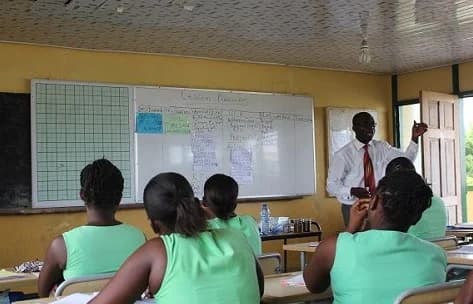
The Ghana National Council of Private Schools (GNACOPS) has proposed a radical shift in education financing, calling on the government to redirect subsidies from boarding institutions to day secondary schools. This appeal comes at a critical time when thousands of students remain unplaced following the 2026 Computerized School Selection and Placement System (CSSPS) exercise. GNACOPS argues that the current placement crisis is a direct result of an over-reliance on the boarding school model, which has reached its capacity limits and is failing to accommodate the growing number of Basic Education Certificate Examination (BECE) graduates. To address the immediate shortfall, GNACOPS has pointed to a Memorandum of Understanding (MoU) signed in October 2025. This agreement outlines a framework where 85 participating private schools across the country are prepared to absorb 54,985 unplaced candidates. The council emphasizes that these private institutions already possess the necessary infrastructure and staff to provide quality education, provided the government is willing to reallocate resources to support students in these settings. By leveraging existing private sector capacity, the council believes the Ministry of Education can resolve the placement bottleneck without the immediate need for massive new public infrastructure projects. Central to the GNACOPS argument is a critique of the historical and financial priority given to boarding education in Ghana. The council contends that the heavy focus on boarding facilities has created an artificial scarcity of available spots, as the cost of housing and feeding students consumes a significant portion of the education budget. By prioritizing and incentivizing day school attendance, GNACOPS suggests that the government could significantly lower the per-pupil cost and expand access to secondary education for a larger portion of the population. They are calling for an urgent rebalancing of investments to ensure that no student is left behind due to the lack of a dormitory bed. As the placement crisis continues to cause anxiety for parents and students alike, the council has sought a formal audience with the Minister of Education to discuss these proposals. However, as of now, the Ministry has yet to issue an official response or indicate whether it is open to reconsidering the current subsidy structure. The outcome of these potential discussions could prove pivotal for the 2026 academic year, determining whether the government will maintain its traditional focus on boarding schools or embrace a more decentralized, day-school-oriented approach in partnership with the private sector.


