••
Breast cancer remains leading cause of death for African women, says GLOBOCAN
•2 min read•1 source
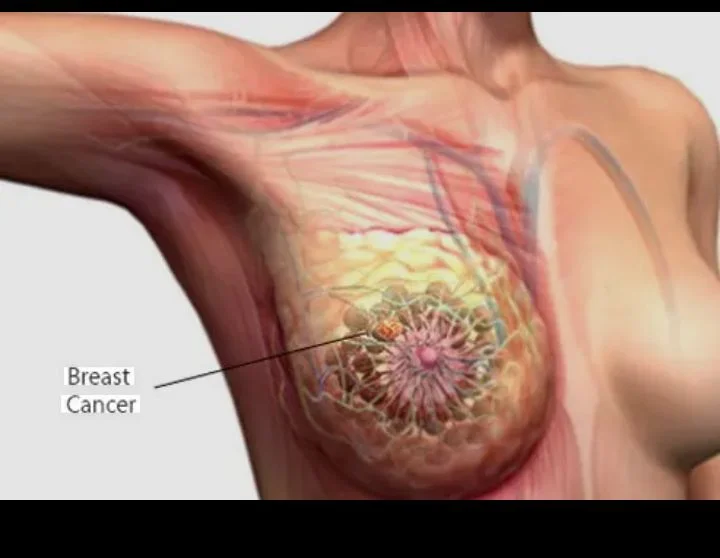
Breast cancer has emerged as the most frequently diagnosed cancer and the primary cause of cancer-related mortality among women across the African continent. According to the latest estimates from GLOBOCAN 2024, the disease accounted for approximately 225,643 new cases and 100,070 deaths within the year. These figures underscore a growing public health challenge in Africa, where the burden of non-communicable diseases continues to rise alongside existing health priorities. The data highlights a critical need for enhanced diagnostic infrastructure and more robust public awareness campaigns to address the high mortality rates associated with the disease.
A particularly concerning finding in the study is the demographic shift in diagnosis ages. The research reveals that 21.9% of women in Africa are being diagnosed with breast cancer before reaching the age of 40. This early onset presents unique challenges for healthcare systems and families, as younger patients often face more aggressive forms of the disease and are typically in their most productive years. Dr. Tonia Frame, a medical expert cited in the report, emphasized that these statistics necessitate a move toward individualized screening protocols. She suggested that screening should be tailored to a woman’s specific risk profile rather than relying solely on generalized age-based recommendations.
In response to these findings, health organizations are calling for immediate action to improve survival rates. The World Health Organization (WHO) has reiterated its advocacy for timely evaluation and increased awareness regarding changes in breast health. Experts argue that early detection remains the most effective tool in reducing the death toll, as many cases in the region are currently diagnosed at advanced stages when treatment options are limited and more costly. By prioritizing breast health education and ensuring that women have access to regular screenings, African nations can work toward mitigating the impact of what has become the continent's most lethal cancer for women.
