••
Global Media Alliance and Language Scholars Lead Push for AI Literacy and Cultural Preservation in Ghana
•3 min read•3 sources
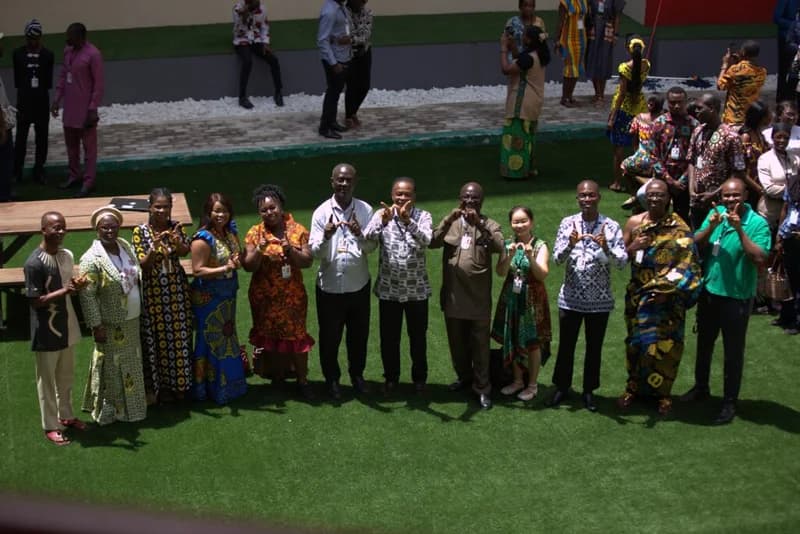
As Artificial Intelligence (AI) continues to reshape global industries, Ghanaian educators, communication professionals, and language scholars are intensifying efforts to integrate these technologies into professional training while safeguarding the nation's cultural heritage. Recent high-profile events, including the PR x AI MasterLAB in Accra and the AfroCuration gathering in Kumasi, have highlighted a dual approach: leveraging AI for professional efficiency and ensuring it serves as a tool to preserve indigenous knowledge rather than replace it. These initiatives reflect a broader movement to equip Ghanaians with the digital skills necessary for the future while maintaining a strong grip on local identity.
The Global Media Alliance (GMA), in collaboration with Women in PR Ghana (WiPR Ghana), recently hosted the PR x AI MasterLAB as part of the sixth World Public Relations Day Festival. This immersive workshop brought together practitioners, marketers, and students to explore the theme of "Reimagining PR" through three specialized tracks: AI-Powered Content Creation, AI for Media Intelligence and Insights, and The Human Lens in AI Storytelling. Chief Director Emma Wenani and experts such as Dr. Martin Ntem and Dr. Timothy Zilevu emphasized that while AI offers unprecedented capabilities in data-driven decision-making and prompt engineering, the human element remains irreplaceable in strategic communication. Supported by sponsors including Samsung Ghana and Bank of Africa, the MasterLAB aimed to ensure that Ghanaian communicators remain competitive in an increasingly automated landscape.
Complementing this professional focus, language scholars at the AfroCuration gathering in Kumasi addressed the critical intersection of AI and indigenous languages. Renowned linguist Professor Kofi Agyekum stressed that while machines can process data, they cannot inherently tell the nuanced stories of a people. The forum advocated for stronger education policies that prioritize the teaching of mother tongues at home before formal schooling, alongside aggressive digital documentation to prevent linguistic erosion. Scholars argued that AI should be viewed as a complementary force that can amplify the online visibility of Ghanaian languages, provided there is significant investment in local digital infrastructure and the arts to capture the economic potential of Ghana’s cultural diversity.
The synthesis of these perspectives suggests a unified roadmap for Ghana’s digital evolution: one where technology enhances human creativity rather than substituting it. Whether in the boardroom or the classroom, the consensus remains that the responsible navigation of the AI-driven landscape requires a balance of technical proficiency and cultural grounding. As these discussions move forward, the focus will likely shift toward formalizing digital documentation efforts and expanding access to AI education to ensure that Ghana’s professional and cultural contributions remain vibrant and protected in the global digital age.
This story touches markets covered on Anansi Intelligence ↗.
More from education
Continue exploring similar stories


