Ghana News AI
HomeBriefsAsk GhanaTopicsTools
•
•

Stay Informed

Get AI-curated news briefs from Ghana delivered to your inbox every morning. Free forever, no spam.

Explore

  • Home
  • Briefs
  • About

Categories

  • Politics
  • Business
  • Sports
  • Entertainment
  • Africa

Features

  • Analysis
  • Cedi Rates
  • Dollar to Cedi
  • Ghana Gold Price
  • BoG Policy Rate

Topics

  • Armed Forces Recruitment
  • WAEC Results & News
  • Nana Ama McBrown
  • NDC News
  • All Topics

Legal

  • Privacy Policy
  • Terms of Service
Ghana News AI© 2026. All rights reserved.
Made withfor Ghana
health

Ghana Health Service Introduces Coded ID Cards to Secure Free Primary Health Care Programme

Yesterday•2 min read•1 source
Ghana Health Service Introduces Coded ID Cards to Secure Free Primary Health Care Programme
  1. Home
  2. /Health
  3. /Ghana Health Service Introduces Coded ID Cards to Secure Free Primary Health Care Programme

The Ghana Health Service (GHS) has launched a new security initiative to safeguard the integrity of the Free Primary Health Care (FPHC) programme by issuing specialized identification cards to all participating health staff. This move is specifically designed to combat the risk of impersonation and ensure that only authorized personnel engage with the public during health outreach activities. As the FPHC programme scales up under the current administration of President John Mahama, the introduction of these secure credentials marks a critical step in protecting citizens while expanding essential health coverage across the country.

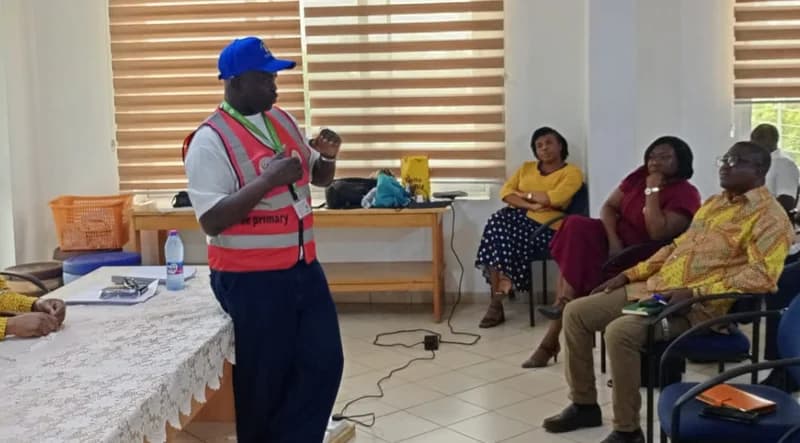
Speaking at a specialized training session in Bolgatanga, Dr. Samuel Kaba Akoriyea, a representative of the Ghana Health Service, emphasized that the new ID cards feature unique security codes that allow members of the public to verify the identity of health workers instantly. This feature is particularly vital for Community Health Nurses who perform home visits, providing households with a reliable method to confirm that the individuals entering their homes are legitimate representatives of the state. By integrating these verification codes, the GHS aims to build a robust layer of accountability and bolster public confidence in community-based health interventions.

The Free Primary Health Care programme is structured around three strategic pillars designed to eliminate financial barriers to basic medical services: community health outreach, the deployment of patient navigators, and a system of appointment reminders. These components work together to improve access to essential health services without the requirement of direct payment at the point of use. By providing these services free of charge, the GHS seeks to decentralize healthcare delivery and bring life-saving medical attention directly to the doorsteps of Ghanaians, particularly those in rural and underserved regions.

This latest security enhancement is expected to streamline field operations and foster a more transparent relationship between the Ghana Health Service and the communities it serves. As the FPHC continues to evolve, the GHS remains focused on maintaining high standards of service delivery through continuous training and the adoption of modern administrative tools. Moving forward, the successful implementation of these coded ID cards will serve as a blueprint for other national health initiatives, ensuring that the pursuit of universal health coverage is matched by rigorous measures to prevent fraud and protect patient safety.

Our Take

From the Team

Coming Soon

Our team will add key insights, trends, and actionable takeaways to help you stay informed faster.

This story touches markets covered on Anansi Intelligence ↗.

Related topic

John Mahama: Latest News & Updates →

More from health

Continue exploring similar stories

Civil Society Coalition Calls for Victim-Centered Health and Legal Support to Combat Human Trafficking in Ghana
health|Yesterday

Civil Society Coalition Calls for Victim-Centered Health and Legal Support to Combat Human Trafficking in Ghana

Experts and advocates have called for a paradigm shift in how Ghana handles human trafficking and transnational organized crime, emphasizing a victim-centered approach that prioritizes protection and rehabilitation over blame. Speaking at the national launch of the Civil Society Coalition Against Transnational Organised Crime, stakeholders highlighted the urgent need for a more empathetic response to those caught in the web of illegal syndicates. This call to action aligns with the broader national agenda under President John Mahama to strengthen social welfare frameworks and enhance the security of vulnerable populations across the country. Legal representatives at the forum pointed out that while the Human Trafficking Act provides a solid legislative foundation, its practical implementation remains inconsistent. They argued that victims frequently endure extreme psychological manipulation and coercion, making it imperative for the state to provide robust legal and social buffers rather than penalizing those affected. The coalition emphasized that without a supportive environment, survivors are less likely to cooperate with authorities, which ultimately hinders the prosecution of trafficking kingpins. From a health perspective, professionals underscored that recovery from the trauma associated with organized crime is a complex, long-term process. They stressed that survivors require sustained, specialized medical and psychological care to overcome the deep-seated trauma resulting from exploitation. This holistic view of health—encompassing mental, emotional, and physical well-being—is seen as an essential component for successful social reintegration and the prevention of re-traumatization. In their closing remarks, the experts stressed that combating human trafficking cannot be the sole responsibility of any single agency. Instead, they advocated for a multi-sectoral collaboration involving law enforcement, healthcare providers, and local communities to identify and support survivors proactively. By fostering an environment where victims are treated with dignity, the coalition aims to dismantle the stigma that often prevents marginalized individuals from seeking help, ensuring that rehabilitation is backed by both legislative will and a community-wide commitment to social justice.

Aboboyaa Group CEO Donates Motorcycles to NACOC Ashanti Command to Bolster Anti-Drug Operations
health|Yesterday

Aboboyaa Group CEO Donates Motorcycles to NACOC Ashanti Command to Bolster Anti-Drug Operations

Nana Susubiribi Aboboyaa I, the Chief Executive Officer of the Aboboyaa Group of Companies, has donated two motorcycles to the Ashanti Regional Command of the Narcotics Control Commission (NACOC). This strategic contribution is aimed at bolstering the mobility and operational capacity of the commission as it intensifies efforts to combat substance abuse and illicit drug-related crimes within the region. The donation addresses a critical logistical need, enabling law enforcement officers to extend their reach into various communities for better surveillance and enforcement. Speaking at the presentation, Nana Susubiribi Aboboyaa I highlighted the importance of corporate involvement in national security and public health initiatives. He expressed hope that the motorcycles would facilitate the commission's work in protecting the youth from the dangers of drug addiction, which remains a significant threat to social stability. By providing these assets, the Aboboyaa Group aims to demonstrate its commitment to corporate social responsibility and the health of the Ghanaian people. Major General Maxwell Obuba Mantey, Director-General of NACOC, received the donation with appreciation, noting that such partnerships are vital for the commission’s success. He underscored that the fight against drug trafficking and abuse cannot be won by the government alone but requires the active participation of private individuals and organizations. The motorcycles were subsequently handed over to the Deputy Commander of the Ashanti Regional Command, with an emphasis on ensuring they are used effectively for the commission's field activities and strictly maintained to prolong their operational life. This donation comes at a time when the Narcotics Control Commission is seeking to decentralize its operations and improve its responsiveness across the country. The Ashanti Region, as a major commercial and transit hub, requires enhanced monitoring to curb the flow of illegal substances. This collaboration between the Aboboyaa Group and NACOC serves as a model for how local businesses can contribute to the safety and well-being of their communities, ultimately supporting the broader goal of a drug-free Ghana.

Kacstone Records Donates GH¢12,000 in ENT Equipment to Tamale’s Airborne Force Medical Centre
health|Yesterday

Kacstone Records Donates GH¢12,000 in ENT Equipment to Tamale’s Airborne Force Medical Centre

Kacstone Records has bolstered the Ear, Nose, and Throat (ENT) services at the Airborne Force Medical Centre in Tamale through a significant donation of specialized medical equipment. Valued at GH¢12,000, the contribution is aimed at enhancing the diagnostic and treatment capabilities of the facility, which serves both military personnel at the Barwah Barracks and the surrounding civilian population in the Northern Region. The donation was formally presented by Warrant Officer Class II Alhaji Seidu Masahudu on behalf of Kacstone Records. The package of medical supplies includes critical tools such as an electronic syringing machine and an otoscope, which are essential for managing various auditory and respiratory health conditions. This gesture represents a notable intersection between the Ghanaian entertainment industry and public health, demonstrating how corporate social responsibility can address specific gaps in medical infrastructure. Flight Lieutenant Emmanuel Yenubenant Moiko, who received the equipment on behalf of the Airborne Force Medical Centre, expressed profound gratitude to the donors. He highlighted that the arrival of the new equipment would drastically improve the efficiency of healthcare delivery at the barracks. By providing these specialized tools, the facility is now better positioned to offer timely interventions, reducing the need for patients to be referred to larger, often congested regional hospitals for basic ENT procedures. This partnership underscores the vital role that private-sector contributions play in supporting the Ghana Armed Forces' social services. As the medical centre continues to cater to both the military and the public, such enhancements are crucial for maintaining the health and readiness of security personnel while providing high-quality care to the broader community. The donation is expected to have a lasting impact on the standard of medical service available at the Barwah Barracks.

Urologists Warn of Risks as Men Increasingly Turn to Cosmetic Penis Fillers for Girth Enhancement
health|Yesterday

Urologists Warn of Risks as Men Increasingly Turn to Cosmetic Penis Fillers for Girth Enhancement

A growing trend in male cosmetic surgery is seeing an increase in men opting for penis fillers, a procedure primarily utilizing hyaluronic acid to enhance girth. The non-surgical treatment, which promises a temporary increase in thickness of approximately 10% to 20% for several months, has gained traction despite significant warnings from medical professionals. While some patients report a substantial boost in self-confidence and personal satisfaction following the procedure, the medical community remains cautious about the long-term implications and the current lack of oversight in the cosmetic industry. Medical experts and bodies, including the British Association of Urological Surgeons, have raised serious alarms regarding the safety profile of these enhancements. The primary concerns stem from a lack of robust data on long-term effects and a growing number of reported botched procedures. Because the industry remains largely unregulated, patients often undergo these treatments without a full understanding of the potential complications, which can include infections, scarring, and permanent disfigurement. The allure of a quick, non-invasive confidence boost often outweighs the perceived risks for many men, leading to a surge in demand that outpaces clinical evidence of safety. In response to the rising popularity of these procedures, health advocates and urologists are calling for stricter regulations and the establishment of a national registry to track outcomes and adverse events. Such measures would ensure that practitioners are properly qualified and that patients are making informed decisions based on transparent data. Experts emphasize that while the psychological benefits can be real for some, the physical risks associated with unregulated cosmetic fillers pose a significant threat to men's health, necessitating a more cautious and controlled approach to male aesthetic medicine.

All
africa
business
education
entertainment
health
news
politics
sports
technology