••
Ghana Youth–Policy Dialogue opens in Accra to push for institutional influence
•2 min read•1 source
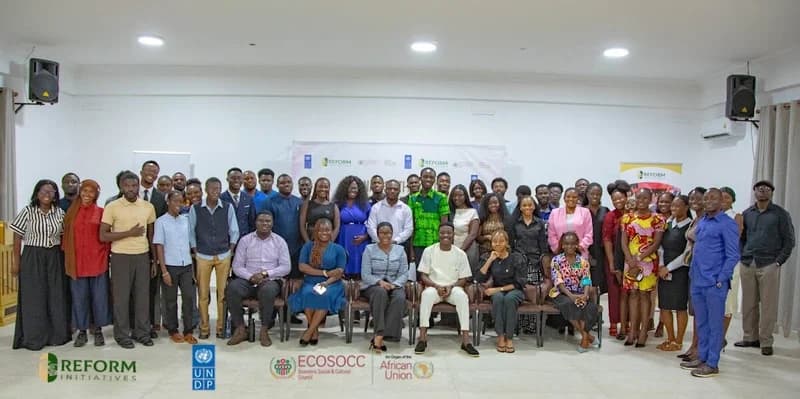
The Ghana Youth–Policy Dialogue Forum has officially opened in Accra, bringing together experts and young leaders to discuss the evolving role of youth in African governance. Held on October 21, 2026, under the theme 'Gen Z, Political Transitions and the Future of Governance in Africa: From Youth Mobilisation to Institutional Influence,' the event serves as a platform to address how the continent’s youngest demographic can transition from grassroots activism into formal decision-making roles. The forum highlights a critical shift in the political landscape, urging young Africans to move beyond mere mobilization to secure a seat at the table where policies are drafted and implemented.
A significant focus of the discussions centered on the digital savvy of Generation Z and their use of online platforms to demand accountability and transparency from their leaders. Speakers noted that while digital tools have facilitated massive mobilization efforts—citing examples like the #EndSARS movement—the ultimate goal must be the translation of this energy into actual institutional influence. The dialogue emphasized that for governance to be truly representative, institutions must become more responsive to the unique ways in which young people participate in politics today, ensuring their voices are not just heard on social media but integrated into the machinery of government.
Participants also examined existing policy frameworks, such as the African Youth Charter, which are designed to support youth inclusion. While these frameworks provide a roadmap for engagement, experts pointed out that significant challenges remain in their practical implementation. There was a strong call for young people to better understand these legal and policy tools to effectively hold governments accountable. This accountability extends beyond political participation to economic outcomes, with a particular emphasis on the quality of employment. Speakers argued that success in addressing youth unemployment should not be measured by numbers alone, but by the dignity and long-term sustainability of the jobs created.
As the forum continues, the underlying message remains clear: the future of African governance depends on the ability of state institutions to adapt to the expectations of a highly connected and politically active youth population. By fostering an environment where youth participation leads to tangible policy changes, the dialogue aims to bridge the gap between young citizens and the state. The event concludes with a push for more robust implementation of youth-centric policies to ensure that the current generation can play a decisive role in shaping the continent's socio-economic and political trajectory.
