••
Ghanaian Leaders Advocate for Professional Support Systems for Women Amid Controversial Critiques of Higher Education
•2 min read•3 sources
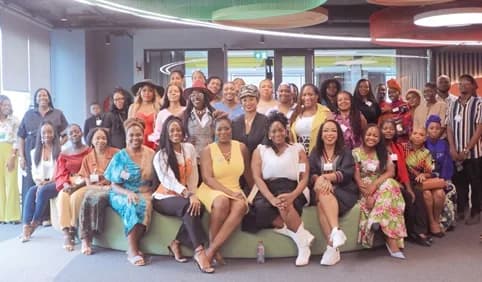
During the recently held ‘Women Who Build’ Summit in Accra, industry leaders and academics converged to demand more robust support frameworks for women in leadership and business. The event served as a platform to address the structural and societal barriers that hinder women’s professional progression in Ghana. Central to the discussions was the need for a paradigm shift in how both the public and private sectors accommodate the unique challenges faced by women, ensuring that their contributions to the national economy are not stifled by outdated norms or biological predispositions.
Baaba Cofie, a lecturer at Wisconsin International University College Ghana, emphasized that professional women often face biological hurdles that are frequently misunderstood by employers. She advocated for increased empathy in the workplace, arguing that support for health and biological needs should be viewed as a basic right rather than a sign of weakness. Similarly, Edwards Day-Antwi, CEO of ChurchSpace, challenged the societal pressure on women to downplay their achievements to fit traditional domestic roles. She highlighted the lack of affordable childcare as a critical bottleneck, urging for a societal structure that allows women to excel in their careers without being forced to choose between professional ambition and family life.
However, this push for professional and academic empowerment stands in stark contrast to recent controversial comments made by Bishop Kwabena Asiamah, popularly known as Ajagurajah. In a widely circulated video, Ajagurajah advised women to prioritize cosmetic surgery, such as Brazilian Butt Lifts (BBL), over pursuing Master’s degrees. He argued that the high cost of postgraduate education often leads to unemployment, suggesting that physical enhancement might offer a more direct route to financial security and a comfortable life. These remarks have sparked significant debate, highlighting a cynical undercurrent regarding the economic viability of higher education for women in the current job market.
The juxtaposition of these viewpoints underscores a complex tension in Ghana's educational and professional landscape. While advocates at the ‘Women Who Build’ Summit call for systemic changes to bolster the success of educated women, the viral popularity of contrary advice reflects deeper anxieties about the return on investment for academic qualifications. Ultimately, the discourse emphasizes that for education to remain a primary tool for empowerment, it must be accompanied by workplace reforms and a societal shift that values and protects the professional contributions of women across all sectors.
This story touches markets covered on Anansi Intelligence ↗.
More from education
Continue exploring similar stories


