••
Stakeholders Urge Increased Investment in Adult Literacy and Vocational Training for Women's Empowerment
•2 min read•3 sources
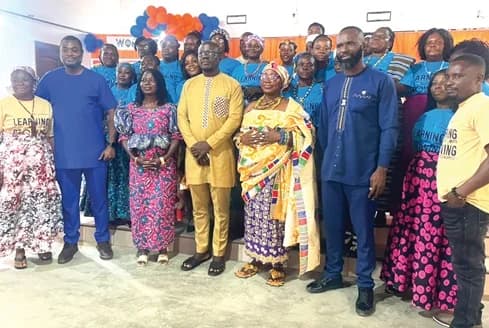
Educational stakeholders and non-governmental organizations are calling for a renewed national commitment to adult literacy and vocational training as a primary tool for women's empowerment. From the southern suburbs of Accra to remote communities in Northern Ghana, recent initiatives by the Women’s Trust and the Adunyame Foundation have highlighted how non-formal education provides a vital "second chance" for women who missed out on traditional schooling. These programs are increasingly seen as essential for improving livelihoods and fostering active societal engagement across the country.
In Pokuase, Accra, the Women’s Trust recently celebrated a decade of its "Akwanya" program, which has transformed the lives of hundreds of women through literacy and vocational training. During a graduation ceremony, Executive Director Kafui Duho emphasized that the decade-long commitment was about more than just reading and writing; it was about providing the tools for lifelong learning and economic independence. Samuel Gyabah, the event chairman, praised the initiative for bridging the educational gap for adult learners, reinforcing the message that age should never be a barrier to self-improvement.
Meanwhile, in the Northern Region, the Adunyame Foundation is tackling poverty and unemployment through targeted vocational training in the community of Jana. Participants received hands-on instruction in soap-making and entrepreneurship, coupled with education on financial services. To ensure the sustainability of these new skills, ten women were provided with business start-up kits, and the group has been organized into a cooperative. This model of collective productivity is designed to enhance financial inclusion and provide a stable economic base for women in traditionally underserved areas.
These localized efforts underscore a broader national shift toward recognizing adult education as a cornerstone of community development. By equipping women with both literacy and practical business skills, these organizations are helping to break the cycle of poverty and empower a new generation of female entrepreneurs. As stakeholders continue to advocate for sustained investment in these programs, the success of the graduates in Pokuase and Jana serves as a powerful testament to the transformative potential of inclusive education in Ghana.
This story touches markets covered on Anansi Intelligence ↗.
More from education
Continue exploring similar stories


