••
Ghana’s Tuna Industry Crisis: Hook-and-Line Fleet Collapses Amid Rising Costs and Resource Restrictions
•2 min read•4 sources
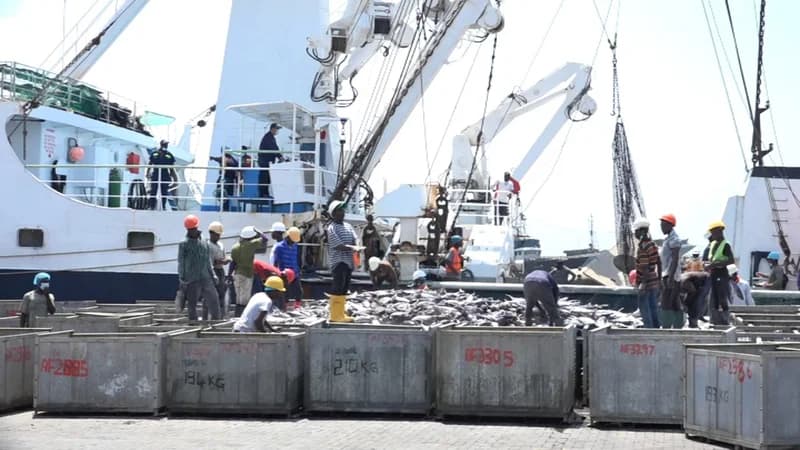
Ghana’s tuna industry has reached a critical tipping point as the country’s entire hook-and-line fleet has collapsed, leaving the sector in a state of severe operational distress. According to Richster Amarh Amarfio, Vice President of the National Fisheries Association of Ghana (NAFAG), only 17 of the 37 authorized tuna vessels are currently operational. These surviving vessels are exclusively purse seiners, while all 20 hook-and-line boats have been forced out of service. This contraction signals a major crisis for a sector that is vital to Ghana's maritime economy and its industrial food processing chain.
The collapse is driven by a perfect storm of escalating expenses that have rendered fishing trips economically unviable. Fuel costs have surged to GH¢18 per liter, a staggering figure given that a single fishing expedition can require up to 270,000 liters of fuel. Beyond energy costs, vessel owners are struggling with rising licensing fees, port charges, and high labor expenses. Security has also become a significant financial burden, as maritime threats and piracy concerns necessitate expensive safety measures to protect crews and assets at sea. While global tuna prices have seen an increase, these soaring domestic overheads are effectively wiping out profit margins.
Structural and regulatory challenges further complicate the recovery of the industry. The sector currently suffers from a significant lack of local technical expertise, evidenced by the fact that all tuna vessel captains in the country are currently Korean nationals. This reliance on foreign expertise increases operational costs and highlights a critical gap in local capacity building. Additionally, the hook-and-line fleet has been uniquely crippled by restrictions on securing live anchovies used as bait. Without access to this essential resource due to regulatory hurdles, the hook-and-line method has become functionally impossible to maintain in Ghanaian waters.
The implications of this decline extend far beyond the docks, threatening the survival of Ghana's significant tuna-processing industry. Major local processors, including Pioneer Food Cannery and Cosmo Foods, rely heavily on a consistent supply of fish from the domestic fleet to remain operational. If the fishing vessels remain grounded, the entire value chain—from the sea to the cannery—risks total disintegration. Industry leaders are now calling for urgent policy interventions and sustainable solutions to address the prohibitive cost of doing business before the remaining purse seine fleet faces a similar fate.