••
Ghana Government Negotiates Teshie Desalination Plant Acquisition Following $235 Million Arbitration Award
•3 min read•13 sources
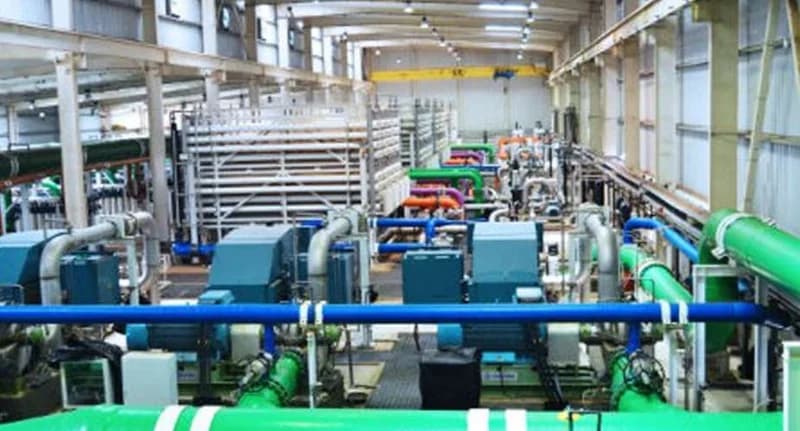
The Office of the Attorney-General has clarified that Ghana will not be liable for the full US$402 million claim brought by Befesa Desalination Developments Ghana Limited regarding the Teshie Desalination Plant. Instead, an arbitration tribunal under the International Chamber of Commerce (ICC) has awarded US$235 million to Befesa for termination payments, while explicitly rejecting the company's larger claim for unpaid water charges. The ruling, which concludes a long-standing dispute over the termination of a Water Purchase Agreement, also mandates the Ghanaian government to reimburse 58.4% of the claimant’s reasonable legal costs. Interest on the award is set to begin accruing from April 1, 2026, following the award's inclusion of interest up to March 2026.
The arbitration award follows over a decade of operational and financial turmoil surrounding the plant, which was originally designed to supply safe drinking water to approximately 500,000 residents in Teshie, Nungua, and surrounding areas. Despite its 2015 commissioning, the facility has frequently sat idle due to high capacity charges and persistent complaints regarding water quality. Management consultant and procurement specialist Kobina Ata Bedu criticized the original deal, arguing that Ghana negotiated from a "position of weakness" by failing to anticipate long-term infrastructure needs. The project’s history involves various administrations and key figures such as Kweku Botwe and Alban Bagbin, with critics now calling for full transparency and the publication of all related documents to ensure accountability for the negotiation failures that led to a judgment debt nearly double the plant’s initial $126 million construction cost.
In a strategic bid to mitigate further financial exposure, the government is currently in negotiations with Befesa to acquire the desalination plant outright. The Attorney-General’s office indicated that these discussions began prior to the conclusion of the arbitration and aim to secure the facility for a price significantly lower than the US$235 million awarded by the tribunal. By taking full ownership, the state intends to eliminate recurring contractual liabilities and restore the plant to full operation. This move is seen as essential for providing a consistent water supply to the nearly one million residents in eastern Accra who currently remain reliant on expensive private water tankers.
As the government moves to finalize the acquisition, the focus remains on the broader implications of contractual management and the fiscal burden on Ghanaian taxpayers. The successful purchase of the plant would allow Ghana Water Limited to manage the resource directly, potentially ending years of mismanagement and financial loss. The Office of the Attorney-General has expressed optimism that a resolution will be reached soon, preventing further legal costs and finally delivering on the promise of clean water for the affected communities.