••
Government Appeals to Pre-Tertiary Teacher Unions to Suspend Strike as Disruptions Hit Schools Nationwide
•3 min read•9 sources
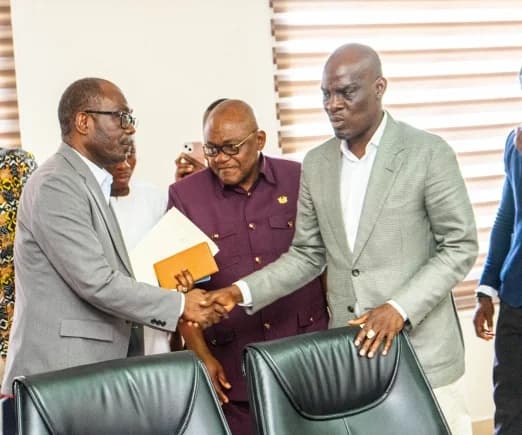
The Government of Ghana has formally urged pre-tertiary teacher unions to suspend their ongoing industrial action as negotiations intensify over outstanding professional grievances. The strike, which began on September 25, 2026, involves the Ghana National Association of Teachers (GNAT), the National Association of Graduate Teachers (NAGRAT), and the Progressive Teachers Association (PRETAG). Education Minister Haruna Iddrisu has called for a return to the classroom, emphasizing the government's commitment to resolving disputes centered on promotion allowances, salary placements for newly promoted staff, and the long-delayed implementation of the Deprived Area Allowance. While the government seeks a reprieve, union leaders maintain that the strike will continue until concrete results are achieved rather than mere promises.
The impact of the strike has been felt acutely across the country, with significant disruptions reported in the Bono and Central Regions. In the Dormaa District alone, GNAT Secretary Justice Acquah confirmed that over 2,000 teachers across 25 basic schools have complied with the strike directive, leaving classrooms empty and schools effectively closed. Similar scenes were observed in the Cape Coast Metropolis, where major institutions such as St. Monica’s and Catholic Jubilee reported a total absence of teaching activity. The closure of these schools has sparked growing anxiety among parents and students, many of whom expressed concerns about the strike's impact on academic performance and preparation for upcoming national examinations.
In a move to address the unions' primary demands, Minister Iddrisu announced the establishment of a validation committee and pledged the implementation of a 20% Rural Deprived Allowance starting January 2027, contingent upon the successful validation of personnel data. Furthermore, the Fair Wages and Salaries Commission is scheduled to meet with union representatives on Tuesday to discuss the framework for a new Collective Agreement. The Minister stressed that these steps demonstrate the government's good faith and desire to ensure that teachers are fairly compensated for their service, particularly those working in underserved communities.
Despite these overtures, union leadership remains cautious and skeptical. Representatives from GNAT and NAGRAT have indicated that while they are participating in the dialogue, they require tangible evidence of progress before they will consider calling off the industrial action. They highlighted that past delays in negotiating Collective Agreements and the failure to automatically place promoted teachers on their correct salary scales have eroded trust. As the standoff continues, non-teaching staff and some headteachers remain at their posts, but the core instructional activities that drive the nation's basic education system remain at a standstill pending the outcome of the next round of high-level negotiations.


