Ghana News AI
HomeBriefsAsk GhanaAnalysisTopicsAbout
•
•

Stay Informed

Get AI-curated news briefs from Ghana delivered to your inbox every morning. Free forever, no spam.

Explore

  • Home
  • Briefs
  • About

Features

  • Analysis
  • Cedi Rates
  • Dollar to Cedi
  • Ghana Gold Price

Topics

  • All Topics
  • Armed Forces Recruitment
  • Immigration Service Recruitment
  • Fire Service Recruitment
  • Prisons Service Recruitment
  • Customs Recruitment
  • WAEC Results & News
  • Ghana Education Service

Legal

  • Privacy Policy
  • Terms of Service
Ghana News AI© 2026 Ghana News AI. All rights reserved.
Made withfor Ghana
business

Ghana Solidifies Regional Leadership in West African ESG Regulation and Sustainable Finance

Yesterday•2 min read•7 sources
Ghana Solidifies Regional Leadership in West African ESG Regulation and Sustainable Finance

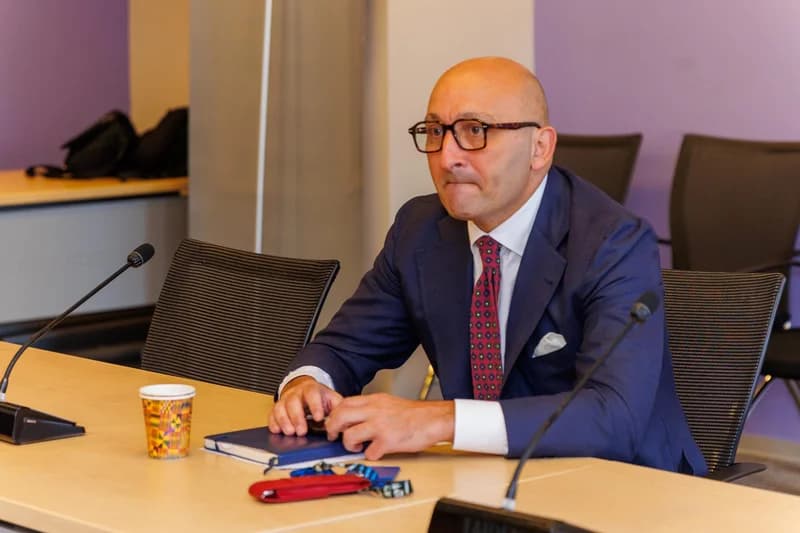
Ghana has emerged as the regional leader in Environmental, Social, and Governance (ESG) regulation within West Africa, according to findings from a high-level roundtable recently hosted by the International Finance Corporation (IFC) in Accra. This leadership position is primarily attributed to the Bank of Ghana’s introduction of the Sustainable Banking Principles in 2020, which mandated that financial institutions integrate environmental and social risk assessments into their core operations and lending practices. The roundtable brought together key development partners, including the World Bank Group, the United Nations Development Programme (UNDP), and the Swiss Embassy, to evaluate how these frameworks are bolstering the nation's investment readiness and operational accountability.

During the discussions, experts emphasized that ESG considerations have evolved from optional corporate social responsibility initiatives into essential drivers of business sustainability and global competitiveness. Ms. Damilola Sobo Smith of the IFC noted that the current regulatory environment has significantly improved transparency and risk management within the financial sector. By requiring banks to evaluate critical factors such as climate change, waste management, and labor conditions, Ghana has created a more resilient financial ecosystem. This consistency in policy application among regulators has not only improved internal banking decision-making but has also significantly strengthened investor confidence in the Ghanaian market.

While the progress in the banking sector was widely praised, development partners and industry experts are now calling for a broader implementation of these standards. Ms. Magdalena Wüst from the Swiss Embassy acknowledged the success of years of institutional support in strengthening the financial sector but urged for the expansion of ESG practices across all other economic sectors. The consensus at the roundtable suggested that for Ghana to maintain its competitive edge and ensure inclusive growth, the principles of sustainability and governance must move beyond the financial halls and be adopted by the wider private sector. The next phase of Ghana's development will likely focus on creating a multi-sectoral commitment to these global standards to address emerging socio-environmental challenges.

Our Take

From the Team

Coming Soon

Our team will add key insights, trends, and actionable takeaways to help you stay informed faster.

This story touches markets covered on Anansi Intelligence ↗.

More from business

Continue exploring similar stories

Kwame Asare Obeng (A Plus) Announces Plans for Africa’s Largest Solar Energy Facility in Gomoa Central
business|Yesterday

Kwame Asare Obeng (A Plus) Announces Plans for Africa’s Largest Solar Energy Facility in Gomoa Central

Kwame Asare Obeng, popularly known as A Plus and the Member of Parliament for Gomoa Central, has unveiled an ambitious plan to establish Africa’s largest solar energy facility within his constituency. The initiative is designed to address energy reliability and affordability, which are seen as critical bottlenecks to industrial expansion in the region. By leveraging renewable energy, the project aims to transform Gomoa Central into a prominent industrial hub and a prime destination for both domestic and international investors. The proposed solar facility is central to the lawmaker’s broader development agenda for the district. According to A Plus, providing a stable and cost-effective power supply is the most effective way to attract manufacturing and service-based businesses to the area. He emphasized that the project is not merely about power generation but is a strategic move to create sustainable jobs and stimulate the local economy. This focus on green energy aligns with global shifts toward sustainability, potentially positioning Ghana as a leader in renewable energy infrastructure on the continent. As the project moves from the planning stages toward implementation, it is expected to have significant implications for Ghana’s national grid and its overarching industrialization policy. If successful, the facility could serve as a blueprint for other regions seeking to decentralize power production and promote industrial growth through renewable sources. For Gomoa Central, the transition to solar power represents a step toward energy independence and long-term economic resilience, signaling a shift in how local leaders approach infrastructure and community development.

Ishmael Abbey (left), Head of Business Development, Forms Capital Limited, signing the partnership agreement. With him are Klenam Fiadzoe (middle), Co-founder, Socialite AF, and Samuel Allotey (right), Founder of The Design Junkies
business|Yesterday

Forms Capital and ActionAid Lead New Economic Empowerment Initiatives Across Ghana

Ghana’s business landscape is witnessing a dual-track approach to development, with new initiatives targeting both high-tech financial solutions in the capital and grassroots vocational empowerment in rural districts. From the 48-hour Hack54 hackathon in Accra to ActionAid’s soap-making training in the Bono Region, these efforts highlight a nationwide push to bridge the financial inclusion gap and create sustainable livelihoods for diverse segments of the population. The Hack54 2023 event, scheduled for July 14 to 17 at the Google AI Community Center in Accra, represents the digital frontier of this economic drive. Organized by Forms Capital Limited in partnership with The Design Junkies and Socialite AF, the hackathon challenges developers, designers, and entrepreneurs to build minimum viable products (MVPs) focusing on youth banking and SME financing. Ishmael Abbey of Forms Capital underscored that digital innovation is essential for building inclusive financial systems, while Klenam Fiadzoe of Socialite AF and Samuel Allotey of The Design Junkies emphasized the need for bold, tangible products that can solve real-world financial challenges through mentorship and industry connections. Parallel to these technological advancements, ActionAid Ghana is addressing economic disparities at the community level in the Banda District of the Bono Region. By sponsoring vocational training in soap-making, the organization is providing rural women with the tools needed to overcome limited job opportunities and unreliable income streams. Recently, seven mothers from ActionAid’s Child Sponsorship Scheme were equipped with start-up kits to launch their own businesses. Local authorities have praised the initiative, noting its potential to reduce poverty, improve household welfare, and allow families to invest more consistently in their children’s education. Collectively, these initiatives demonstrate the multifaceted nature of Ghana's economic evolution. While Hack54 seeks to revolutionize the fintech sector by empowering young innovators to solve complex banking issues, ActionAid’s grassroots intervention ensures that the benefits of economic growth reach the most vulnerable populations. Together, they represent a comprehensive strategy for national development that balances high-end digital transformation with essential vocational skills to foster a more resilient and inclusive economy.

Ghana Water Limited Surcharges Customer GH¢74,000 Following Illegal Water Reconnection and Arrest
business|Yesterday

Ghana Water Limited Surcharges Customer GH¢74,000 Following Illegal Water Reconnection and Arrest

Ghana Water Limited (GWL) has imposed a significant surcharge of GH¢74,000 on a customer, Sabare Dramani Isaah, for the illegal reconnection of water services to the national distribution network. The discovery was made on June 15, 2026, by GWL’s Revenue Enhancement Team during a proactive nationwide campaign designed to identify and eliminate unauthorized water usage. This enforcement action highlights the utility company’s intensified efforts to curb revenue losses caused by illegal connections, which continue to threaten the sustainability of water supply services across the country. Investigations revealed that the customer had been disconnected from the national grid for approximately three months prior to the detection of the illegal act. Rather than following established protocols for reconnection, Mr. Isaah allegedly took matters into his own hands by reinstating the water service and installing an additional service line without the company’s approval. Despite being invited by the police to assist with investigations, the customer reportedly ignored multiple summons, eventually leading to his arrest once the illegalities were fully documented and verified by the GWL technical team. The Managing Director of Ghana Water Limited emphasized that such illegal activities are a major drain on the company’s financial resources, which are critical for the maintenance and expansion of vital water infrastructure. The GH¢74,000 surcharge is intended to recover lost revenue and serve as a deterrent to others who might consider bypassing the utility’s billing systems. GWL has reiterated its commitment to protecting its distribution network and has urged the public to report suspicious connections while advising delinquent customers to utilize official channels to regularize their services. This incident serves as a stark reminder of the legal and financial consequences associated with tampering with public utility infrastructure. As GWL continues its revenue enhancement drive, the company has signaled that it will not hesitate to prosecute offenders to the full extent of the law. By cracking down on illegal reconnections, the utility provider aims to improve service delivery for law-abiding citizens and ensure that the necessary funds are available to address the growing demand for clean water in Ghana’s expanding urban and rural communities.

Facilitators and participants after the meeting
business|Yesterday

Ghana Maritime Authority Earns Praise for Service Reforms as Stakeholders Urge Deeper Digitalization

Ghana's maritime sector is witnessing a significant shift toward efficiency and transparency, driven by recent administrative reforms and a push for comprehensive digital transformation. Ghanaian seafarers have expressed their gratitude to the Ghana Maritime Authority (GMA) for marked improvements in service delivery, noting that the frustration of long wait times and delays in obtaining maritime documents has been largely resolved. These improvements are critical for seafarers' duty readiness and professional standing, reflecting a more responsive regulatory environment. The recent praise from the seafarer community specifically highlights the streamlining of certification and renewal processes. By introducing electronic payment options and digitizing workflows, the GMA has reduced the need for physical presence and manual processing, which were previously major bottlenecks. Dr. Kamal-Deen Ali, the Director-General of the GMA, emphasized that these reforms are not static but part of a continuous effort to improve services based on direct feedback from industry stakeholders. This proactive stance is seen as a vital step in maintaining the authority's relevance and support for the workforce. Complementing these internal reforms, broader industry stakeholders are calling for even deeper integration and coordination across the maritime sector. At a recent four-day workshop focused on maritime traffic and anti-corruption, experts highlighted the necessity of aligning the work plans of various maritime committees. The goal is to create a more transparent and competitive trade environment by addressing governance challenges and reducing port inefficiencies through enhanced inter-agency collaboration and digital transformation. Ultimately, these collective efforts aim to solidify Ghana's commitment to international maritime standards. By fostering a culture of transparency and leveraging technology to facilitate trade, the maritime sector is positioning itself as a cornerstone of national economic growth. The successful implementation of these reforms and the continued focus on stakeholder collaboration are expected to further enhance the ease of doing business at Ghana's ports, ensuring the industry remains robust and globally competitive.

All
africa
business
education
entertainment
health
news
politics
sports
technology