••
Ghana Accelerates STEM and Digital Literacy Drive Through High-Level Partnerships and Youth Innovations
•3 min read•13 sources
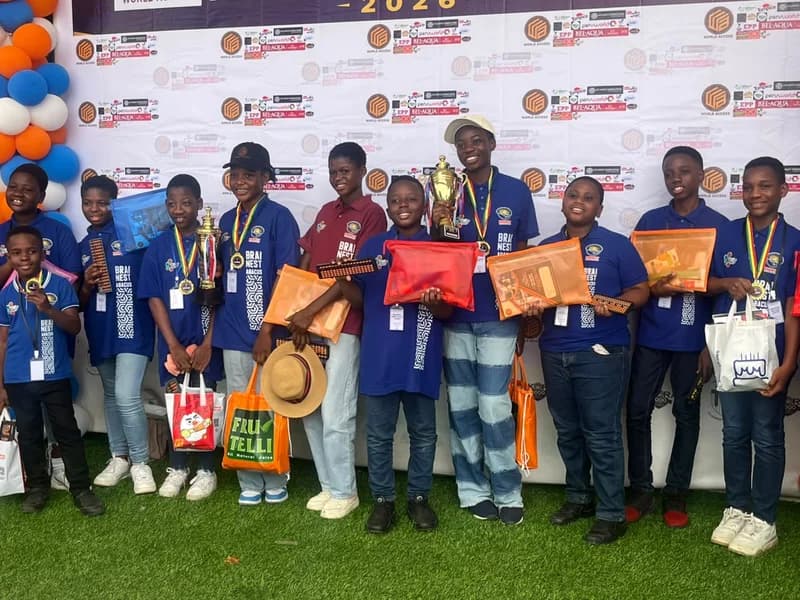
Ghana is significantly intensifying its efforts to bridge the gap between literacy and numeracy while equipping the next generation with advanced digital skills. At the recent fifth National Abacus Competition, organized by Brainest EduCare Limited and World Access, over 2,000 pupils demonstrated exceptional mental arithmetic and robotics skills. However, the event also served as a platform for Ministry of Education official Mr. Isaac Atta Baah to highlight a critical disparity: while literacy programs have historically received substantial support, numeracy education requires urgent, equal investment to secure the nation’s future in science and technology. Interestingly, the competition saw a dominance of female awardees among the 500 recognized participants, prompting calls for balanced educational interventions to ensure boys are not left behind in these critical fields.
Parallel to these foundational efforts, the Youth Employment Agency (YEA) has entered a strategic partnership with Ghana Digital Centres Limited (GDCL) to provide high-level technical training for 2,000 young Ghanaians. This initiative, fully funded by the government, focuses on high-demand sectors including Artificial Intelligence (AI), cybersecurity, cloud computing, and data analytics. Participants will work toward Microsoft-certified microdegrees, which are recognized globally, with Ghana notably securing 2,000 of the 3,000 slots allocated for the entire African continent. To ensure the sustainability of this program, the partnership includes 600 paid internships, allowing graduates to gain vital industry experience across five initial regions before a planned nationwide rollout.
Innovation and creative problem-solving are also being championed through the 2026 Ghana Science and Technology Explorer Prize (GSTEP) program. During the GSTEP Exhibition and Awards at the University of Ghana, Deputy Minister for Education Dr. Clement Abas Apaak emphasized that the future of the nation relies on the resilience and curiosity of its young innovators. This sentiment was echoed at the graduation of 20 young leaders from the GSTEP Youth Steering Group, who completed intensive training in leadership and STEM advocacy. Furthermore, the 2026 Literacy Challenge has extended its entry deadline to July 30, inviting youth aged 11 to 15 to write to the Minister of Education about the pros and cons of AI in the classroom, further embedding digital literacy into the national academic discourse.
Community-level support is bolstering these national initiatives, as seen in recent corporate social responsibility efforts. OmniBSIC Bank, in collaboration with the Rotary Club of Accra-Cantonment East, recently donated 20 computers and a "Teacher in a Box" digital learning station to the Prince of Peace International School in Accra. These localized investments in coding and robotics infrastructure complement the broader government-led strategies. Collectively, these developments represent a holistic approach to education in Ghana—one that blends traditional numeracy and literacy with the cutting-edge technological competencies required for the global digital economy.
This story touches markets covered on Anansi Intelligence ↗.
More from education
Continue exploring similar stories


