••
Ghana and Africa Confront Sports Development Challenges: From Financial Probes to Grassroots Revitalization
•2 min read•10 sources
The Ghanaian sports landscape is currently navigating a complex intersection of governance accountability and developmental vision. As Parliament begins uncovering significant irregularities regarding the 2023 African Games expenditure, leading sports figures are simultaneously advocating for a radical shift toward structured grassroots development and systemic reform. These developments highlight a critical moment for African sports, where the ambition to host world-class events is being tested against the necessity for transparent procurement and the long-term cultivation of elite talent.
Ernest Henry Norgbey, Chairperson of Parliament’s Youth and Sports Committee, has voiced major concerns over procurement processes related to the 2023 African Games. Preliminary committee reviews and audits have revealed troubling patterns of over-invoicing and inflated costs, with irregularities reportedly concentrated among a small group of officials. This has prompted the committee to consider a public hearing, aligning with directives from the President for the Attorney General to lead a thorough investigation. The probe underscores a growing demand for financial discipline and transparency in the management of high-profile national sports projects.
While governance issues dominate domestic headlines, Ghana's Minister for Sports and Recreation, Kofi Iddie Adams, is championing a proactive approach to athlete production on the continental stage. Speaking at the Basketball Africa League Investor Summit in Kigali, Adams emphasized that Africa must transition from being a mere market for athletes to becoming a global talent production hub. He advocated for strengthened public-private partnerships and cited initiatives like Ghana’s Grassroots Sports Secretariat and the School Sports Organization as essential blueprints for identifying talent early and providing the modern facilities necessary for global competitiveness.
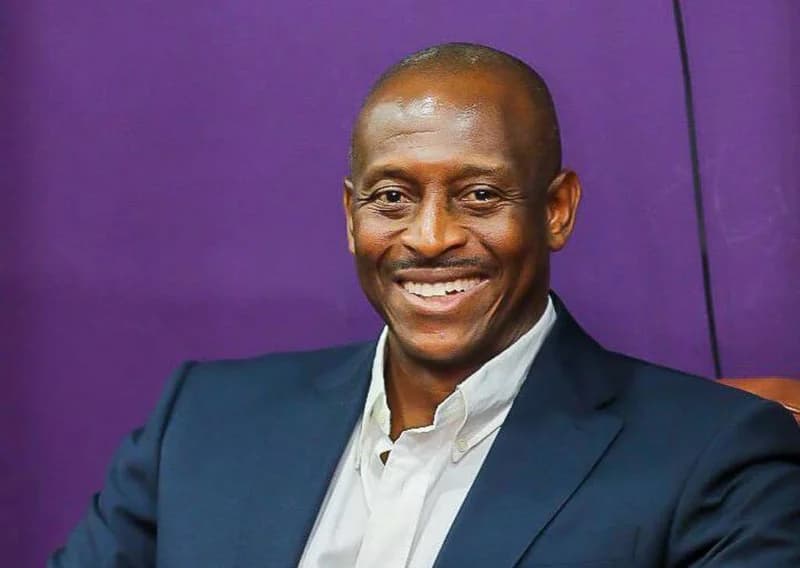
Echoing these sentiments, Herbert Mensah, President of Rugby Africa, has called for a total overhaul of sports governance and infrastructure across the continent. Marking Africa Day, Mensah criticized symbolic gestures and called for measurable outcomes driven by disciplined leadership and strategic planning. He argued that Africa's future relevance in the global arena depends on building robust youth systems and fostering regional cooperation, pointing to South Africa as a successful model. Mensah’s call to action stresses that sustainable success on the field is inextricably linked to the strength of the administrative systems operating behind the scenes.
This story touches markets covered on Anansi Intelligence ↗.
More from sports
Continue exploring similar stories


