••
Ghana and South Sudan Face Critical Health Challenges as NGOs and Governments Address Malnutrition and Conflict-Related Emergencies
•2 min read•2 sources
Sub-Saharan Africa is currently grappling with a dual burden of health crises, ranging from chronic malnutrition in West Africa to acute, conflict-driven medical emergencies in the East. In Ghana, the government and non-governmental organizations (NGOs) are intensifying efforts to combat a malnutrition crisis that has left 10% of children severely stunted and nearly 10% suffering from wasting. Simultaneously, the International Committee of the Red Cross (ICRC) has reported a staggering 50% increase in medical evacuations in South Sudan during the first half of 2026, as escalating violence pushes the nation’s fragile healthcare system to its breaking point.
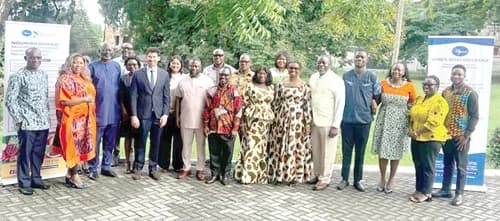
In Ghana, a high-level collaboration involving the Eleanor Crook Foundation, the WOMEC network, and Ghanaian parliamentarians aims to prioritize nutrition as a pillar of national development. Dr. Sebastian N. Sandaare has emphasized that malnutrition is not merely a health issue but a significant barrier to education and economic growth. William Moore of the Eleanor Crook Foundation further highlighted that malnutrition remains a leading cause of child mortality, advocating for the wider use of Ready-to-Use Therapeutic Foods (RUTF). This coalition is working to strengthen policy frameworks and funding to ensure that women and children receive the essential nutrients required for healthy development.
The situation in South Sudan presents a different but equally dire set of health challenges. According to the ICRC, the surge in violence since late 2025 has led to 266 wounded individuals being evacuated to Juba Military Hospital, where surgical procedures have increased by nearly 30%. The humanitarian crisis is exacerbated by the closure of several foreign-aided hospitals following targeted attacks, leaving a massive gap in service delivery. The United Nations peacekeeping mission has also noted a significant rise in civilian casualties, underscoring the lethal intersection of conflict and limited medical access.
These contrasting health emergencies highlight the urgent need for sustained international support and robust domestic health policies across the continent. While Ghana seeks to prevent long-term developmental damage through nutritional interventions, South Sudan is struggling to provide basic life-saving surgeries amidst ongoing instability. Both scenarios underscore a common theme: the necessity of resilient healthcare infrastructure and reliable funding to mitigate the devastating effects of malnutrition and violence on vulnerable populations.
This story touches markets covered on Anansi Intelligence ↗.
More from health
Continue exploring similar stories


