••
Ghana Bolsters Digital Education with $28m South Korean STEM Investment and New Cybersecurity Partnerships
•2 min read•3 sources
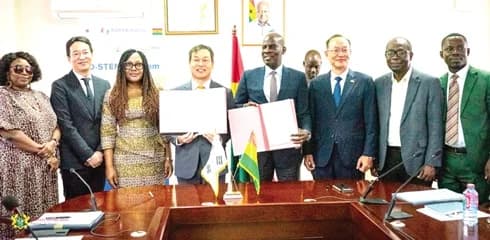
Ghana’s educational landscape is undergoing a significant digital transformation as the government secures a multi-million dollar investment from South Korea while private institutions launch specialized cybersecurity pathways. These developments underscore a nationwide push to align the country’s workforce with global technological demands, spanning from junior high school levels to professional tertiary certifications. The dual focus on foundational STEM skills and specialized digital security marks a strategic shift toward preparing Ghanaian students for the requirements of the modern global economy.
In a major boost for public education, the Ministry of Education has signed a Memorandum of Understanding (MoU) with the Republic of Korea, committing US$28 million to the second phase of the Digital STEM (D-STEM) project. This initiative aims to expand digital education coverage to junior high school students across four regions and includes the development of the Accra STEM Park. Education Minister Haruna Iddrisu highlighted the critical role of technology in national development, noting that a revised curriculum specifically focusing on digital skills is set to be officially launched before September 30. The project focuses on improving teaching capacity and raising community awareness regarding the benefits of STEM education.
Complementing these state-led efforts, the private sector is also intensifying its focus on specialized technical training. Fanaka International University College has entered into a partnership with Chayil Securex to provide comprehensive cybersecurity training. This collaboration establishes a pathway for students to earn the globally recognized CompTIA Security+ certification. Charles Fiifi Hagan, CEO of Chayil Securex, emphasized that cybersecurity has become an essential life skill for daily survival in the digital age, comparing digital safety to physical security. The program is designed to be inclusive, offering both full-time and flexible part-time classes, with remote learning options available for participants outside of Accra.
These combined initiatives from both government and private entities represent a multifaceted approach to Ghana's human capital development. By integrating digital literacy into the national curriculum and providing accessible pathways for professional certification, Ghana is positioning its youth to be more competitive in the job market. As the D-STEM project begins its second phase and cybersecurity training becomes more widely available, the broader goal remains to bridge the digital divide and ensure that the next generation of Ghanaians is equipped to lead the country's technological and economic advancement.
This story touches markets covered on Anansi Intelligence ↗.
Live rates
Dollar to cedi rate →More from education
Continue exploring similar stories


