••
Ghana Navigates South Africa Tensions: Massive Evacuations Underway as Gold Fields Lease Debate Intensifies
•3 min read•14 sources
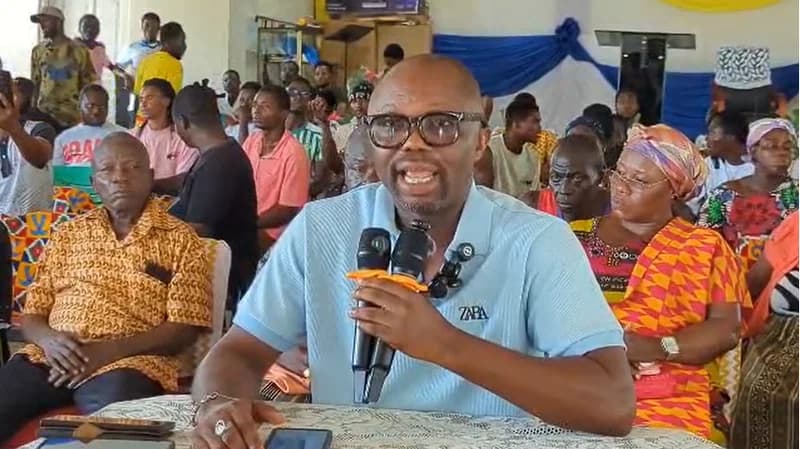
Ghana is navigating a complex diplomatic and domestic crisis following a surge in xenophobic violence in South Africa, leading to the urgent evacuation of hundreds of Ghanaian citizens. The Ministry of Foreign Affairs, supported by members of Parliament’s Foreign Affairs Committee, has already overseen the safe return of approximately 300 nationals, with an additional 600 citizens recently registered at the Ghana High Commission for repatriation. Samuel Okudzeto Ablakwa and Samuel Abu Jinapor have both emphasized that the safety and dignity of Ghanaians remain the government’s top priority, despite initial logistical challenges. While some external voices, such as South African EFF leader Julius Malema, have criticized the evacuation as premature, Ghanaian officials have urged the public to disregard such comments, asserting that national interests must dictate the response to the crisis.
The violence has sparked a heated debate within Ghana regarding retaliatory measures, particularly concerning South African business interests. Rashid Ibrahim, President of the National Union of Ghana Students (NUGS), has warned of sustained student-led protests if the government proceeds with the renewal of Gold Fields Ghana Limited’s mining lease at Tarkwa. Ibrahim and other activists criticize the South African mining giant for its silence on the attacks and argue that Ghana’s mineral resources should prioritize local participation. This sentiment is echoed by Ernesto Yeboah of the Economic Fighters League, who, while urging restraint against physical retaliation, insists that decisions regarding mining leases must be based on long-term national interests rather than emotional reactions.
In contrast to the calls for lease cancellation, local leaders in the Tarkwa-Nsuaem Municipality, including the chiefs of Huniso, are appealing for the renewal of the Gold Fields lease, which is set to expire in 2027. These traditional leaders highlight the company’s significant contributions to infrastructure, education, and community development, arguing that its departure would undermine the local economy. Amidst these conflicting domestic views, Ing. Kenneth Ashigbey, CEO of the Ghana Chamber of Mines, has described the xenophobic attacks as "shameful and regrettable," particularly given Ghana's historical support for South Africa during the Apartheid era. He joined calls for a unified African response, suggesting that the issue be escalated to the African Union to prevent further continental division.
As the government continues its repatriation efforts, political leaders are urging the public to maintain a measured discourse to avoid provoking retaliatory attacks against South African citizens or businesses within Ghana. Samuel Abu Jinapor has called for the Ghana Police to strictly enforce laws against any harassment of foreign nationals, stressing that Ghana must maintain its international reputation for hospitality and the rule of law. The situation underscores a critical moment for Ghana-South Africa relations, as leaders balance the immediate need to protect their citizens abroad with the long-term economic and diplomatic implications of their domestic policy decisions.
This story touches markets covered on Anansi Intelligence ↗.
Live rates
Ghana gold price →More from politics
Continue exploring similar stories


