••
Security Recruitment Screenings Reveal 1,300 Reactive HIV Results as Ghana AIDS Commission Warns Against Discrimination
•3 min read•5 sources
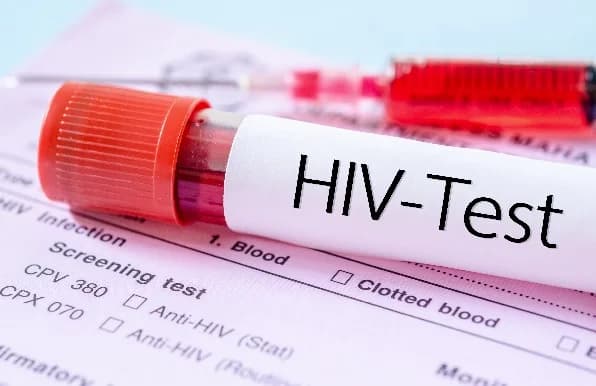
Ghana’s security agency recruitment process has sparked a national conversation on public health and employment ethics after Minister for the Interior, Alhaji Muntaka Mohammed-Mubarak, revealed that approximately 1,300 applicants tested positive for HIV during mandatory medical screenings. Announced during a session with Parliament’s Government Assurance Committee on July 7, 2026, the Minister noted that the screenings also identified other health issues, including Hepatitis B and various mental health conditions. While the figure of 1,300 is significant, the Ghana AIDS Commission (GAC) clarified that it represents about 1.3 percent of the 100,000 total applicants, a percentage that is consistent with Ghana’s national HIV prevalence rate of 1.49 percent.
The GAC has been quick to manage public perception, emphasizing that these 1,300 results are considered "reactive" and are not yet confirmed diagnoses. According to the Commission, a single reactive test is a preliminary finding that requires a thorough, multi-stage testing protocol to confirm an individual's status. To protect the privacy and dignity of the applicants, the Ministry of the Interior intentionally withheld individual medical results from public lists, instead providing contact information for voluntary follow-ups. This approach aligns with advice from Dominic Nitiwul, Chairperson of the Government Assurance Committee, who urged the Ministry to ensure all affected individuals receive proper counseling and are guided toward treatment to prevent further transmission.
In tandem with these medical findings, the GAC has raised serious concerns regarding potential employment discrimination. John Eliasu Mahama, the GAC Director of Policy Planning, emphasized that disqualifying applicants solely based on their HIV status may violate the Ghana AIDS Commission Act, 2016 (Act 938). He argued that advancements in medical science should be reflected in modern recruitment policies, asserting that HIV status should not be a reason for disqualification except in specific health-related cases. The Commission is currently initiating internal processes to review compliance with the law, advocating for the protection of individuals' rights and privacy throughout the recruitment cycle.
Despite these efforts to manage the situation, a logistical crisis looms over Ghana’s HIV response. Ernest Amoabeng Ortsin, President of the Ghana HIV/AIDS Network (Ghanet), has warned that the country faces a critical shortage of HIV testing kits. He cautioned that if the government does not replenish dwindling stocks at the Central Medical Stores immediately, health facilities could run out of kits by the end of July 2026. This potential supply gap threatens the very diagnostic and counseling services that officials are now urging citizens to utilize, highlighting a need for urgent government intervention in the health supply chain.
This story touches markets covered on Anansi Intelligence ↗.
More from health
Continue exploring similar stories


