••
From Historical Justice to Modern Security: Ghana Navigates Local Tensions and Peace Initiatives
•3 min read•12 sources
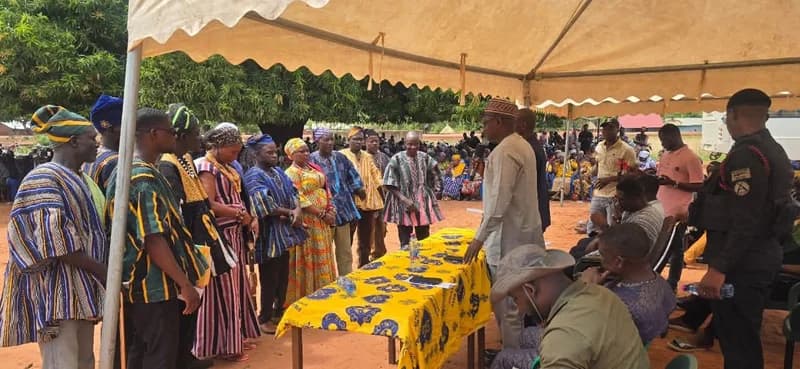
Ghana's internal security and the role of traditional and political leadership are under intense scrutiny as tensions flare in the Western Region over illegal mining, while leaders in the North East Region converge to consolidate peace. These contemporary struggles for order echo the nation's complex history of justice, recently highlighted by historical accounts of the late President Jerry John Rawlings’ era. From the grassroots level in Gwira Ampansie to the traditional halls of the Mamprugu Kingdom, the nation continues to navigate the intersection of governance, security, and community welfare.
In the Nzema East Municipality, Gwira Ampansie has become a flashpoint for violence following the alleged shooting of Mensah Ango, the brother of the community chief, by armed men linked to illegal mining operations (galamsey). The incident occurred while Ango was attempting to address concerns regarding the mining company PRP, sparking outrage among local youth who have threatened retribution. While Municipal Chief Executive Herbert Kuah Dickson confirmed the arrest of six individuals—including three foreign nationals—Chief Nana Kojo Mensah has criticized the state for apparent inaction, alleging that some officials may be backing the illegal activities perpetuating insecurity in the region.
Simultaneously, efforts to bolster stability are underway in the North East Region, where headmen and queen mothers from the Bunkpurugu/Nakpanduri and Yunyoo/Nansuan districts met in Binde. Chaired by Paramount Chief Pib-rana Naa Daa Kolgu Mammara Banzua II, the meeting emphasized the role of traditional leadership in achieving holistic peace within the Mamprugu Kingdom. North East Regional Minister Ibrahim Tia underscored that development is inextricably linked to harmony, urging leaders to foster unity. Stakeholders also advocated for the official gazetting of headmen to strengthen their legal authority in resolving local conflicts and ensuring community welfare.
These modern security concerns are framed by the historical legacy of Ghana’s judicial evolution. Recent accounts have revisited the 1980s, specifically the tragic ritual murder of nine-year-old Kofi Kyinto, which saw direct intervention from Jerry John Rawlings. Through the use of an undercover ex-soldier to infiltrate a criminal gang, the state eventually brought the perpetrators to justice via firing squad. This legacy of swift justice is further reflected in a retired prison officer’s recollection of the final death penalty executions at Nsawam Prison under Rawlings, where a clerical error regarding a missing signature miraculously spared one inmate who later became a pastor.
Beyond security and historical justice, local political figures continue to address immediate community crises and infrastructure safety. In Keta, MP Kwame Dzudzorli Gakpey recently provided essential relief supplies, including mattresses and bedding, to students of Anlo Afiadenyigba Senior High School after a fire ravaged the boys’ dormitory. Such interventions, coupled with the ongoing arrests in the Western Region and peace-building dialogues in the North, demonstrate the multifaceted nature of governance in Ghana. As the nation moves forward, the collaboration between state authorities, traditional leaders, and local representatives remains critical in addressing both the ghosts of the past and the pressing safety challenges of the present.
This story touches markets covered on Anansi Intelligence ↗.
More from politics
Continue exploring similar stories


