••
Over 400,000 Ghanaian Schoolchildren Exposed to Toxic Pollution as Global Climate Risks Mount
•3 min read•3 sources
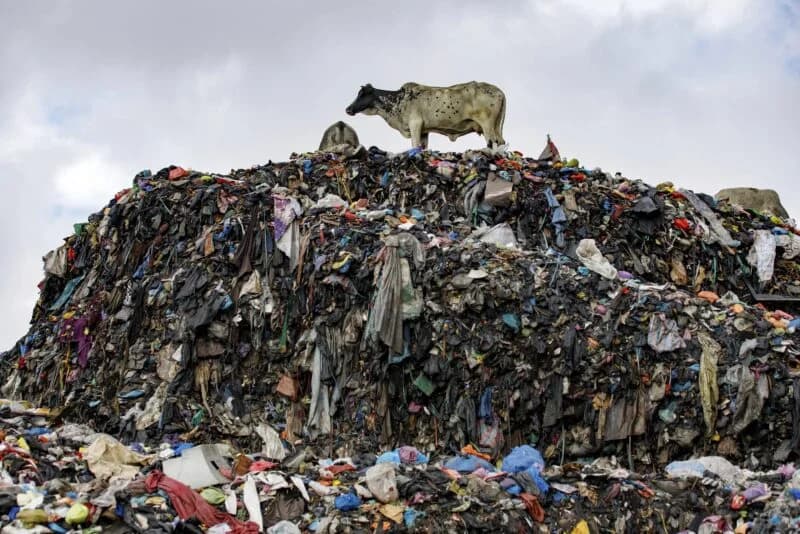
A recent international study has raised serious health concerns for Ghana's youth, revealing that approximately 400,000 schoolchildren are attending institutions located near documented contaminated sites. The research, conducted by the Center for Global Development, analyzed over 2.6 million schools across 17 countries, finding that 4.8% of Ghanaian schools are within one kilometer of toxic areas, while a staggering 26% are within five kilometers. This exposure is most acute in urban centers, particularly the Greater Accra Region, where 67.6% of schools are situated near contaminated sites. The findings underscore a critical public health crisis, as exposure to pollutants like lead can severely impair children's cognitive development and long-term health outcomes.
While localized pollution poses an immediate threat, the United Nations Children’s Fund (UNICEF) has released a broader report indicating that nearly all children globally are now exposed to at least one climate hazard. According to UNICEF, 1.8 billion children are currently at risk from severe droughts, and 1.2 billion are facing the health impacts of extreme heat. These environmental stressors are not distributed equally; children in low- and middle-income countries, including Ghana, are disproportionately affected due to limited infrastructure and weaker disaster management systems. Surprisingly, the Ghanaian study noted that children in wealthier neighborhoods are often more likely to attend schools near these contaminated sites, suggesting that urban development patterns have historically prioritized proximity to industrial hubs over environmental safety.
In the face of these daunting environmental challenges, some ecological systems are showing unexpected resilience. A study presented at the Our Ocean Conference highlighted that 166,000 square kilometers of coral reefs, including areas off the coast of Kenya, are resisting the worst effects of climate change. However, experts warn that such resilience is not a substitute for action. Only 28% of these resilient reefs are currently under active protection, mirroring the lack of adequate environmental regulations and monitoring required to protect human populations from industrial toxicity and climate-related disasters.
The intersection of localized toxic exposure and global climate hazards necessitates urgent intervention from the Ghanaian government and international stakeholders. Experts are calling for immediate investment in climate-resilient infrastructure and more stringent environmental monitoring around educational institutions. To safeguard the next generation, there must be a concerted effort to reduce carbon emissions while simultaneously implementing localized policies that distance school environments from industrial pollutants. Without robust disaster management and better urban planning, the health and cognitive potential of millions of children remain at risk.
This story touches markets covered on Anansi Intelligence ↗.
More from health
Continue exploring similar stories


