••
Ghana Unites for Nationwide Sanitation Drive to Mitigate Flood Risks Following June 29 Disasters
•3 min read•15 sources
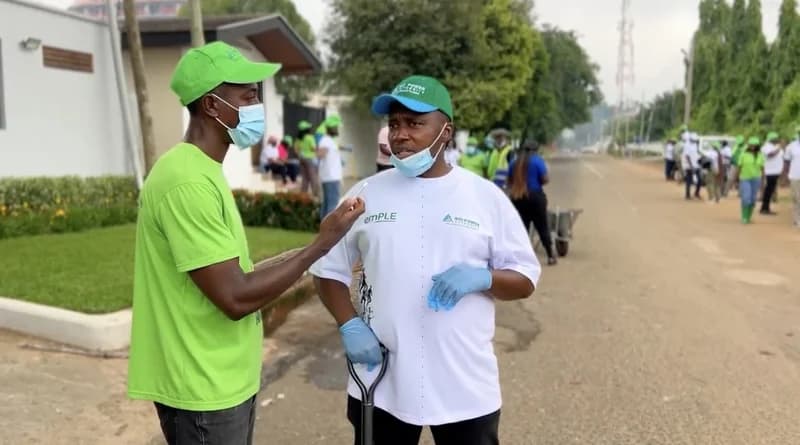
In a massive coordinated effort to combat the perennial challenge of flooding, government officials, corporate organizations, and religious bodies have mobilized across the country for a nationwide sanitation exercise. Initiated by President John Dramani Mahama following the devastating floods of June 29, the initiative—themed ‐Our Actions, Our Future: Cleaning Ghana after the Floods‑ aims to overhaul environmental management and foster a culture of public participation in sanitation. From desilting choked drains to clearing refuse, the exercise marks a significant shift toward proactive disaster prevention across the Greater Accra Region and other flood-prone areas.
High-ranking government officials led the charge by example, with Vice President Professor Jane Naana Opoku-Agyemang joining a community clean-up in Nungua. During the exercise, she cautioned that indiscriminate waste disposal remains a primary driver of flooding and urged citizens to take individual responsibility for their environment. Similarly, Finance Minister Dr. Cassiel Ato Forson participated in activities at Alajo, an area hit hard by previous rains. Both leaders emphasized that while government intervention is necessary, the success of flood mitigation depends largely on the daily sanitation habits of Ghanaians and the enforcement of environmental regulations.
The corporate sector demonstrated its commitment to national development, with the Ghana Gold Board (GoldBod) and the Bui Power Authority (BPA) spearheading major operations. Led by Deputy CEO Richard Nunekpeku, GoldBod staff cleared refuse and desilted drains around their headquarters, the Ghana Library Authority, and the busy Makola Market. Meanwhile, BPA Chief Executive Ing. Kow Eduakwa Sam coordinated efforts in Accra and Bui, stressing that such exercises must transition from one-off events into sustained community habits. He noted that BPA is integrating regular sanitation drives into its corporate strategy to ensure the long-term maintenance of the desilted waterways and improved water flow.
Faith-based organizations also played a pivotal role, with the Seventh-day Adventist (SDA) Church mobilizing pastors, students, and congregants to clean areas around Hanson Road in Accra. Church leaders, including Pastor Kwakye Adeefe and Pastor Dr. Kingsley Osei, framed environmental cleanliness as both a civic obligation and a Christian principle. While praising the national initiative, the church used the platform to call on the government to supplement community efforts by reconstructing damaged drainage infrastructure, arguing that manual cleaning must be paired with structural improvements to solve urban flooding permanently.
The nationwide drive has ignited a broader conversation about the sustainability of sanitation practices in Ghana. While the immediate focus was on clearing the aftermath of the June floods, participants across all sectors underscored the need for a permanent shift in waste management behavior. As the rainy season continues, the success of this initiative will be measured not just by the volume of waste removed, but by the consistency of community involvement and the government's ability to maintain the nation's critical drainage systems.
Live rates
Ghana gold price →