••
Education Ministry Rolls Out New Incentives for Rural Teachers; Honors Veteran Educator for 19 Years of Service in Bawku
•2 min read•8 sources
The Ministry of Education has announced a comprehensive suite of incentives designed to attract and retain teachers in rural and underserved communities across Ghana. Central to these reforms is a significant reduction in the qualifying period for study leave with pay. According to Minister for Education Haruna Iddrisu, teachers posted to deprived areas will now be eligible for paid study leave after just two years of service, down from the previous requirement of three years. This move is intended to motivate professionals to accept postings in remote locations by accelerating their opportunities for professional development and career advancement.
Beyond study leave reforms, the government is introducing a 20% rural posting allowance to compensate educators for the challenging working conditions often found in hard-to-reach areas. To address the perennial challenge of accommodation, the government is launching the 'Teacher Dabre Housing Initiative.' This program will utilize the Ghana Social Opportunities Project (GSOP) pension fund as collateral to provide housing for educators. Furthermore, the Minister emphasized that all future school construction contracts will now be mandated to include residential housing for teachers, ensuring that infrastructure development serves both students and staff simultaneously.
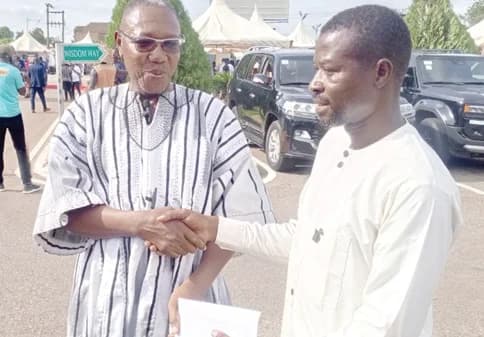
In a related development that highlights the spirit of service the government seeks to foster, Deputy Minister of Education Dr. Clement Abas Apaak recently honored Yussif Abdul Fatawu, a teacher who has served in the conflict-prone Bawku municipality for 19 years. In recognition of his unwavering commitment to education despite persistent insecurity and personal risk, Mr. Fatawu was presented with a cash donation of GH¢10,000. Dr. Apaak commended the teacher’s dedication, noting that such heroism is vital for maintaining the educational aspirations of children in volatile regions. Mr. Fatawu expressed his gratitude and pledged to continue serving as a role model for his colleagues and students alike.
These policy shifts and individual recognitions represent a broader strategic effort by the Ghanaian government to bridge the educational gap between urban and rural areas. By addressing core welfare issues—such as financial incentives, housing, and professional growth—the Ministry aims to ensure equitable access to quality education for every child, regardless of their geographical location. These measures are expected to significantly enhance teacher retention rates and improve the overall quality of educational delivery in the nation's most underserved districts.
This story touches markets covered on Anansi Intelligence ↗.
More from education
Continue exploring similar stories


