••
Ghana Asserts Sovereignty and Protections for Citizens Abroad Amid South African Unrest and Global Diplomatic Shifts
•3 min read•33 sources
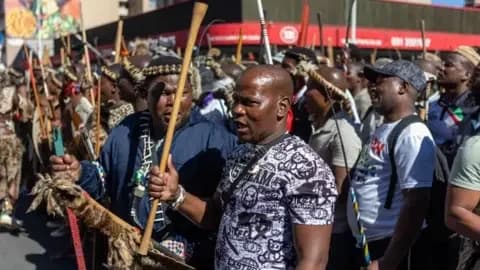
The Ghanaian government has launched a significant repatriation operation to rescue its citizens from South Africa following a surge in anti-immigrant protests and xenophobic tensions. Led by Foreign Affairs Minister Samuel Okudzeto Ablakwa and directed by President John Dramani Mahama, the first batch of 300 returnees—part of a larger group of 800 registered for evacuation—arrived at Kotoka International Airport to a high-level delegation. Notably, the group included 26 Ghanaians previously detained for visa violations who were released following successful diplomatic negotiations. While South African immigration officials claimed only a fraction of the returnees held legal status, Ghana's High Commissioner Benjamin Kofi Quashie defended the evacuees as legitimate workers fleeing insecurity, while simultaneously warning South African citizens against verbal attacks on Ghanaian leadership.
To ensure a smooth transition, the government has implemented a comprehensive reintegration strategy. Chief of Staff Julius Debrah and Minister Ablakwa assured returnees of the state's unwavering support, announcing packages that include medical screenings, psychological counseling, and financial assistance via the MASLOC and MahamaCare programs. This domestic response is mirrored by a firm foreign policy stance; government officials have utilized the crisis to call for continental unity while some domestic voices, such as NEIP CEO Eric Adjei, have urged the government to reconsider South African economic ties, including the potential non-renewal of Gold Fields' Tarkwa mining lease in 2027 as a response to the mistreatment of Ghanaians.
Beyond the South African crisis, Ghana is navigating a complex international landscape characterized by both reconciliation and security debates. The Ministry of Foreign Affairs recently welcomed a historic apology from Pope Leo XIV for the Catholic Church’s role in slavery, describing the Pope's encyclical 'Magnifica Humanitas' as an act of moral courage. At the same time, the government is engaged in sensitive defense talks with Ukraine regarding military technology and drones. These negotiations have drawn scrutiny from civil society and security analysts who caution against compromising national sovereignty or becoming over-dependent on foreign powers currently engaged in high-intensity conflicts.
As the country manages these external pressures, the domestic political and traditional spheres remain active. The Asantehene, Otumfuo Osei Tutu II, has embarked on official visits to Poland and Canada to strengthen educational and developmental partnerships, while the parliament is closely monitoring the legal proceedings of Asante Akim North MP Ohene Kwame Frimpong, who faces fraud allegations in the Netherlands. Collectively, these events underscore a period of intense diplomatic activity for Ghana as it seeks to protect its interests and citizens in an increasingly nationalistic global environment. The government continues to emphasize that the dignity and safety of Ghanaians, whether at home or abroad, remains its highest priority.
This story touches markets covered on Anansi Intelligence ↗.
Live rates
Ghana gold price →More from politics
Continue exploring similar stories


