••
Ghanaian Religious Leaders Champion Cultural Identity and International Missionary Expansion
•3 min read•2 sources
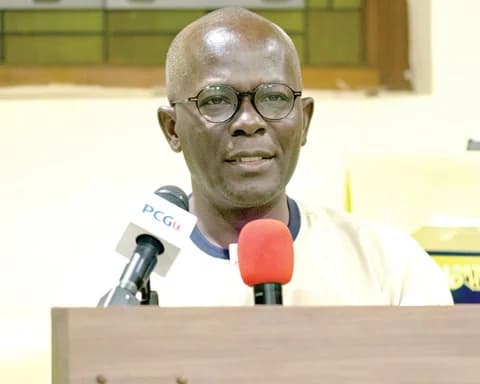
Ghanaian religious leaders are increasingly taking a dual approach to leadership, simultaneously strengthening the church's international footprint and fostering a deeper reconciliation between indigenous cultural heritage and Christian faith. These efforts were highlighted by a historic mission of the Assemblies of God, Ghana, to The Gambia, and a significant theological call for the Ga community to embrace the Homowo festival as a core part of their identity. Together, these developments underscore a period of active engagement where the Ghanaian clergy seeks to provide both spiritual guidance and cultural preservation within and beyond the country's borders.
During the 2026 Homowo Lecture held in Accra, Rev. Professor Philip Tetteh Laryea, a prominent theologian, issued a compelling call to Christians of Ga descent to reclaim their cultural roots. He argued that the Homowo festival should be viewed as a vital piece of cultural heritage rather than being dismissed as paganism. Expressing deep concern over the potential loss of cultural identity among Ga Christians, Rev. Prof. Laryea emphasized that indigenous traditions can be preserved in alignment with Christian values. This sentiment was echoed by Rev. Dr. Charles Amarkwei, who suggested that the core principles of Homowo—specifically the celebration of the end of hunger—align closely with Christian teachings on overcoming poverty and fostering modern social development.
On the international front, the Assemblies of God, Ghana, marked a major milestone in its missionary history as the General Superintendent, Rev. Stephen Wengam, led the entire Executive Presbytery on a week-long mission to The Gambia. This visit represents the first time the church’s top leadership has traveled as a full body to this West African neighbor, visiting a mission field first established three decades ago under the leadership of the late Rev. Simon Asore. The delegation’s comprehensive agenda included dedicating a new temple, participating in a National Pastors and Leaders Conference, and providing direct support to various church branches across the country. The National Head of The Gambia Assemblies of God Mission noted that the presence of the Ghanaian leadership serves as a significant boost to their local missionary efforts.
These two distinct yet complementary paths reflect a broader trend in the Ghanaian religious landscape: a move toward greater cultural self-awareness and regional influence. By validating local traditions like Homowo, theologians are helping congregants navigate the complexities of identity in a modern world, while the Assemblies of God’s outreach in The Gambia demonstrates Ghana's role as a powerhouse for religious missions in West Africa. Moving forward, these initiatives suggest that the church in Ghana will continue to play an influential role in both the socio-cultural fabric of the nation and the spiritual landscape of the continent.
This story touches markets covered on Anansi Intelligence ↗.
More from africa
Continue exploring similar stories


