••
Heavy Rainfall Triggers Building Collapses in Western Region and Severe Traffic Chaos in Accra
•2 min read•2 sources
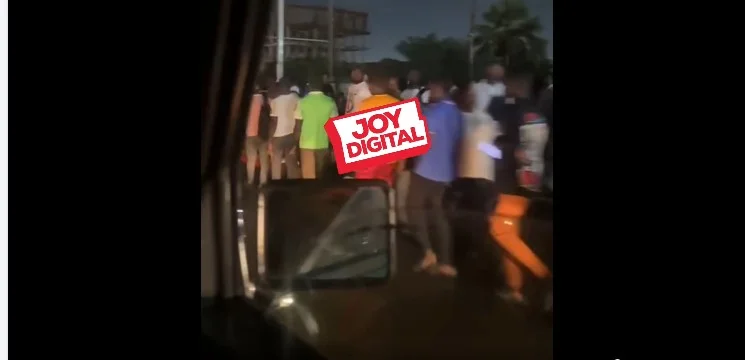
Recent torrential rains have wreaked havoc across several regions in Ghana, leading to the collapse of dozens of structures in the Western Region and leaving hundreds of commuters stranded in the national capital. The National Disaster Management Organisation (NADMO) has raised alarms over the scale of destruction, particularly in the Wassa Amenfi West Municipality, where the overflow of major rivers has displaced numerous families. Simultaneously, a severe thunderstorm in Accra has exposed the vulnerabilities of the city's transport infrastructure during the rainy season, highlighting the urgent need for improved urban management and emergency protocols. In the Western Region, the situation is particularly dire within the Samreboi and Asankragwa areas. According to NADMO, more than 24 buildings have collapsed following the overflow of the Samre and Tano rivers. The heavy downpour caused these water bodies to breach their banks, inundating residential areas and causing significant property damage. Emergency responders are currently working to assess the full extent of the displacement as residents grapple with the loss of their homes and livelihoods in the wake of the flooding. Meanwhile, in Greater Accra, a Friday evening downpour triggered significant transport chaos along the Madina-Adenta corridor. Commuters faced a massive gridlock extending from the University of Professional Studies (UPSA) through several key junctions, leaving hundreds of people stranded at bus stops for hours. The situation was further compounded by some commercial drivers who took advantage of the crisis to arbitrarily increase fares. Frustrated passengers were forced to choose between paying exorbitant prices or remaining stuck in the rain, highlighting a persistent lack of regulation and support during weather-related emergencies. These twin incidents underscore the urgent need for improved disaster preparedness and resilient urban planning. While NADMO continues to monitor the flooding in the Western Region, commuters in Accra are calling on the Ministry of Transport to implement measures that ensure reliable transportation and prevent price gouging during rainy seasons. The recurring nature of these challenges suggests that without significant infrastructure upgrades and better regulatory oversight, Ghanaian citizens will remain highly vulnerable to the increasingly unpredictable weather patterns affecting the country.
