••
PURC Sets 3.49% Electricity and 0.85% Water Tariff Increases; GWL Fines Customer GH¢74,000 for Illegal Reconnection
•2 min read•10 sources
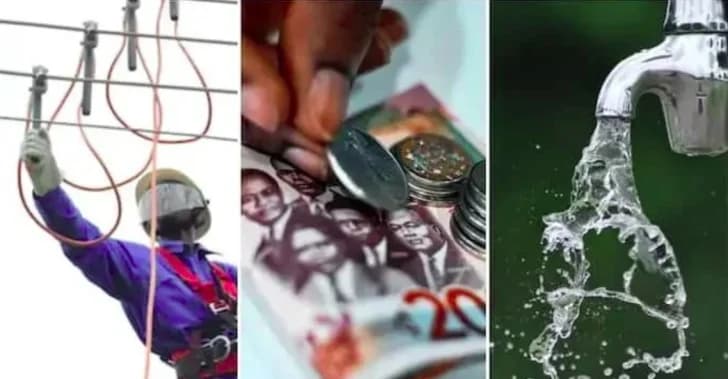
Ghanaian consumers and businesses face an upward adjustment in utility costs as the Public Utilities Regulatory Commission (PURC) announces new rates effective July 1, 2026. Electricity tariffs are set to rise by 3.49%, while water rates will see a marginal increase of 0.85%. This decision, announced on June 22, follows the Commission’s mandatory quarterly review designed to align utility pricing with shifting macroeconomic indicators. The adjustments aim to balance the financial sustainability of service providers with the need for reliable service delivery across the country.
The commission’s review process integrated several key economic variables, including the Ghana Cedi’s exchange rate against the US Dollar, inflation trends, and the cost of fuel for power generation. For the third quarter of 2026, the PURC applied a weighted average exchange rate of GH¢11.2228 to one US dollar, noting a slight currency depreciation of 0.2%. Despite a minor decline in natural gas costs and a decrease in the average inflation rate to 3.43%, the commission determined that an upward adjustment was necessary to maintain the real value of the tariffs and ensure that utility companies remain viable.
Parallel to these pricing adjustments, utility providers are intensifying efforts to recover lost revenue and improve service quality through strict enforcement. Ghana Water Limited (GWL) recently demonstrated its commitment to revenue protection by charging a customer, Mr. Sabare Dramani Isaah, approximately GH¢74,000 for an illegal reconnection in Botwe. This action, part of the company's Revenue Enhancement Initiative, underscores a zero-tolerance policy toward unauthorized activities. In a similar vein, the Northern Regional Office of the PURC reported significant progress in consumer protection, resolving 92.66% of the 218 complaints received in the first quarter of 2026, primarily involving the Northern Electricity Distribution Company (NEDCo) and GWL.
While the tariff increases represent an additional burden for household and industrial budgets, the PURC maintains that these reviews are essential for preventing the accumulation of debt within the energy and water sectors. The commission emphasized that service charges for residential consumers will remain unchanged for the period. Moving forward, the PURC has pledged to continue monitoring the performance of utility providers closely to ensure that the higher tariffs translate into improved service reliability and accountability for the Ghanaian public.
This story touches markets covered on Anansi Intelligence ↗.
Live rates
Dollar to cedi rate →More from business
Continue exploring similar stories


