••
Public and Private Sectors Spearhead Preventive Health Initiatives and Infrastructure Expansion Across Ghana
•3 min read•5 sources
Ghana’s healthcare landscape is undergoing a significant shift toward preventive medicine and expanded access as government agencies, corporate entities, and non-profit organizations roll out major health-driven initiatives. From the launch of the Free Primary Health Care (FPHC) initiative in the South Dayi District to specialized corporate wellness programs at Prudential Bank, these efforts aim to reduce the financial burden on citizens while promoting the early detection of chronic conditions. These developments highlight a growing national consensus that proactive health management is essential for long-term productivity and community well-being.
In the South Dayi District, the implementation of the Free Primary Health Care initiative marks a pivotal reform in local health delivery. Aimed at improving essential service access without the immediate need for a National Health Insurance Scheme (NHIS) card, the program allows residents to use their Ghana Card or other valid IDs for screenings related to hypertension, diabetes, and maternal care. This initiative redirects financial support from existing NHIS resources to ensure that out-of-pocket costs do not prevent residents from seeking medical attention, representing a significant commitment by local authorities to equitable healthcare access.
Parallel to public efforts, the private and non-profit sectors are addressing health gaps through targeted screenings and wellness programs. Prudential Bank recently launched a fully funded "Prevention First" health screening for its staff in collaboration with Bob Freeman Hospital, emphasizing mental health and workplace ergonomics as strategic priorities. Similarly, the KGL Foundation organized a comprehensive health screening event in Bolgatanga, providing residents with tests for Hepatitis B and C, HIV, malaria, and blood sugar levels. Public Health Nurse Rosemary Akolbire noted that such interventions are vital in managing non-communicable diseases, especially for residents who often find routine check-ups financially out of reach.
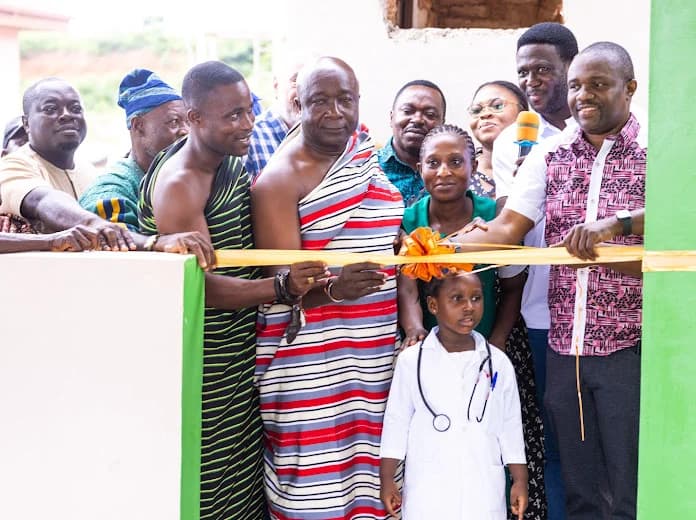
Infrastructure development also received a boost in the Obuasi area, where the Fifty 50 Club commissioned a new pediatric and maternal care centre at the Kyekyewere-Dadwen Community Health Centre. Funded with GH"205,930 by the non-profit association, the facility is part of a larger mission to improve maternal health outcomes and support local communities. This project, which follows previous donations of medical equipment, demonstrates how membership-driven associations can play a crucial role in strengthening Ghana's healthcare system by providing specialized facilities where they are most needed.
These multi-sectoral interventions collectively underscore a transition from reactive treatment to a culture of proactive wellness across the country. Whether through government policy, corporate responsibility, or grassroots philanthropy, the emphasis on early detection and accessible primary care is expected to reduce the national disease burden. As these programs continue to scale, stakeholders remain hopeful that the integration of preventive services and improved infrastructure will lead to a more resilient and healthier Ghanaian population.
This story touches markets covered on Anansi Intelligence ↗.
More from health
Continue exploring similar stories


