••
Ghana Police Service to Deploy TraffiTech-GH Automated Enforcement System Nationwide in November 2026
•3 min read•6 sources
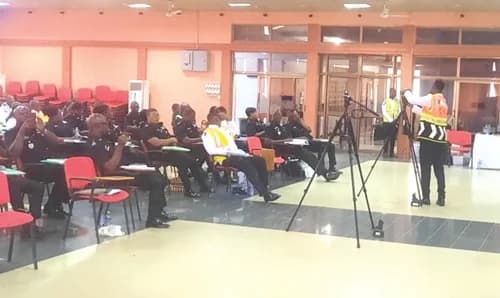
The Ghana Police Service (GPS) has finalized preparations for the nationwide rollout of TraffiTech-GH, a sophisticated automated traffic law enforcement system now scheduled to launch on November 1, 2026. Originally slated for an October release, the implementation was rescheduled to allow for extensive public education and to ensure motorists are well-versed in the new regulations. The system utilizes a network of high-tech cameras and sensors to automatically capture violations, such as speeding and red-light infractions, and will deliver Electronic Notices of Violation (ENV) directly to the mobile phones of vehicle owners. Chief Superintendent Alexander Kwaku Obeng confirmed that the service has established robust back-office systems and dedicated teams to manage the digital evidence and enforcement process.
Under the new system, emergency and security vehicles from recognized agencies will be exempt from speeding tickets during authorized duties, provided they are correctly identified through the national database. Private vehicles, however, will be strictly monitored. The police have urged all vehicle owners to update their ownership records with the Driver and Vehicle Licensing Authority (DVLA) immediately; this ensures that tickets are issued to the correct person and prevents former owners from being held liable for offenses committed by new buyers. While TraffiTech-GH marks a significant shift toward digital policing, manual traffic management by police officers will continue to operate alongside the automated sensors to maintain order on the roads.
Complementing these technological advancements, the Ghana Private Road Transport Union (GPRTU) has introduced a decentralized inspection policy to curb rising road accidents. GPRTU member Eric Lantey Lamptey announced that station masters are now officially responsible for the rigorous vetting of commercial vehicles before they depart from any terminal. This mandatory inspection includes checking tire conditions, braking systems, and lights, as well as conducting test drives. This internal initiative aims to create a culture of shared responsibility among drivers and transport operators, ensuring that vehicles meet safety standards before they even reach the view of police cameras or DVLA inspectors.
These enforcement and inspection efforts align with broader national goals to improve safety across all transport sectors. The DVLA has previously outlined initiatives to transform regions, such as the Volta Region, into model road safety zones through improved compliance and infrastructure. Simultaneously, the Ghana Maritime Authority (GMA), in collaboration with the International Maritime Organisation (IMO), is enhancing safety standards on the water by conducting capacity-building workshops for seafarer examiners. Together, these multi-agency efforts represent a comprehensive strategy to modernize Ghana's transport safety framework and reduce the frequency of avoidable accidents across the country's roads and waterways.
