••
Ghanaian Environmental Experts Advocate for Circular Economy and Enhanced Recycling to Curb 1.3M Tonnes of Plastic Waste
•2 min read•6 sources
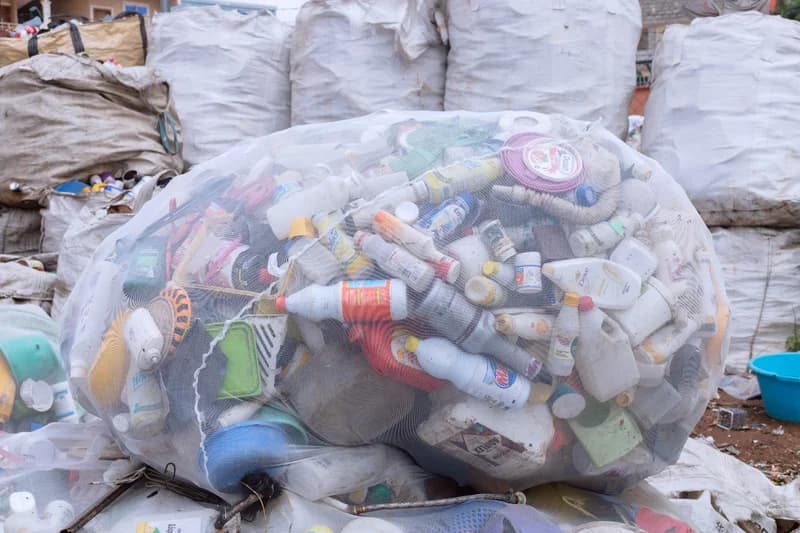
Ghana is facing an escalating environmental crisis as the nation generates between 1.1 and 1.3 million tonnes of plastic waste annually, with current management systems struggling to keep pace. Despite the integral role of plastics in modern life, recent devastating floods have highlighted the severe impact of improper disposal on national infrastructure and public safety. Experts and environmental advocates are now calling for an urgent shift in strategy, moving away from simple disposal toward a comprehensive management framework that treats plastic as a valuable resource rather than a waste product. At the heart of the challenge is a significantly low recycling rate, with only 10 to 15 percent of total plastic output being effectively processed. Rather than implementing outright bans on plastic products—which many argue would be impractical given their versatility—industry stakeholders, including the Jospong Group and Universal Plastic Products, are advocating for innovation and the development of a circular economy. They suggest that enhancing recycling infrastructure and adopting new technologies could not only solve environmental issues but also create significant job opportunities across the country. Proposed solutions to bridge the management gap include the implementation of a nationwide deposit-return system for beverage containers and increased investment in modern processing facilities. Panelists and environmentalists emphasize that public education on waste segregation is vital to ensure materials are sorted at the source, significantly improving the efficiency of recycling efforts. There is also a growing push to revive traditional packaging methods where feasible to complement modern materials and reduce the overall environmental footprint. Ultimately, addressing Ghana’s plastic problem requires a unified front involving the government, industry players, and individual citizens. Experts conclude that fostering a nationwide recycling culture is the only sustainable path forward. By aligning government policy with private sector investment and active community participation, Ghana can transform its plastic waste challenge into an environmental success story, mitigating the risk of future flood-related disasters and preserving natural resources for future generations.
This story touches markets covered on Anansi Intelligence ↗.
More from africa
Continue exploring similar stories


