••
Ghana Faces Major Public Health and Safety Challenges: From Fatal Eastern Corridor Crash to Urgent Calls for Healthcare Reform
•3 min read•5 sources
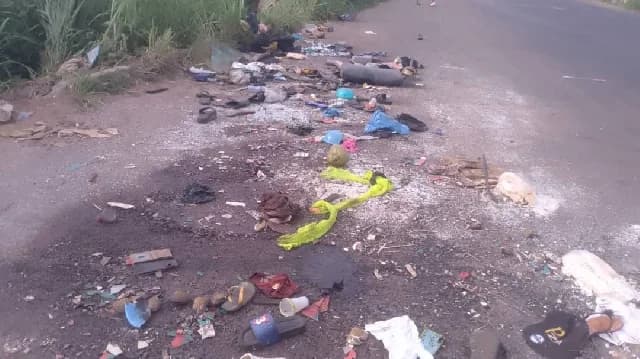
Ghana’s public health and safety landscape has come under intense scrutiny following a series of tragic incidents and systemic challenges, highlighted by a fatal road accident on the Eastern Corridor and rising concerns over the accessibility of hospital care. On June 2, 2026, a devastating collision at Peki claimed the lives of 15 passengers and left several others injured. The accident involved two commercial buses—one traveling from Battor to Kpando and another carrying cargo from Nkwanta. Local officials have attributed the tragedy to overspeeding and poor road conditions, prompting calls for immediate safety improvements such as speed ramps and better lighting along the corridor. The injured were rushed to local facilities, including the Ho Teaching Hospital, which is already grappling with its own set of administrative and financial challenges.
Parallel to the emergency response in Peki, the Ho Teaching Hospital is facing serious allegations regarding the cost and quality of its patient care. A family member, Mr. Alavi Robert Kobla, has publicly accused the medical team of unfair treatment and poor communication concerning the care of an 80-year-old patient with severe prostate enlargement. According to the family, the high cost of procedures, specifically a biopsy priced at GHS 2,100, combined with inconsistent information from healthcare providers, has created significant financial and emotional strain. While the hospital has yet to issue a formal response, these allegations underscore broader concerns regarding the transparency and affordability of specialized medical services in Ghana.
In a separate but equally urgent health and safety development, former Minister for Gender, Children, and Social Protection, Cynthia Mamle Morrison, has called for the immediate relocation and protection of a minor allegedly defiled by her father, a police officer. The case took a harrowing turn when the child was diagnosed with HIV following a medical examination. Morrison urged the Domestic Violence and Victim Support Unit (DOVVSU) to prioritize the child’s welfare and emphasized the critical need for psychological counseling for both the victim and her mother. This case has reignited national discussions on child protection, the intersection of sexual violence and public health, and the accountability of law enforcement officers.
Despite these challenges, grassroots health initiatives and institutional collaborations are working to bridge gaps in the healthcare system. In Winneba, Issabella Akwaboah, a 2026 JoyNews Impact Makers Awards honouree, led a menstrual hygiene outreach at St. Anna’s Family Home. The initiative, organized by the Amazing Girls Foundation and the Charlotte Memorial Foundation, provided essential reproductive health education and sanitary products to vulnerable girls to combat period poverty. Additionally, the National Ambulance Service (NAS) is strengthening its operational capacity through strategic partnerships. CEO George Kojo Owusu recently met with the National Petroleum Authority (NPA) to express gratitude for their ongoing support, which is vital for maintaining the fleet required for emergency healthcare delivery.
These combined events illustrate a critical juncture for Ghana’s health and safety infrastructure. While institutional partnerships like that of the NAS and NPA, and community-led efforts for menstrual equity, offer hope for improvement, the fatal accidents at Peki and the grievances at Ho Teaching Hospital demonstrate a desperate need for enhanced road safety enforcement and more patient-centered healthcare management. Moving forward, the involvement of units like DOVVSU in social protection cases remains essential to ensuring that the most vulnerable citizens receive both justice and the comprehensive medical support they require.
This story touches markets covered on Anansi Intelligence ↗.
More from health
Continue exploring similar stories


