••
Ghana’s Parliament to Open Historic Museum as Educational and Civic Initiatives Expand Nationwide
•3 min read•10 sources
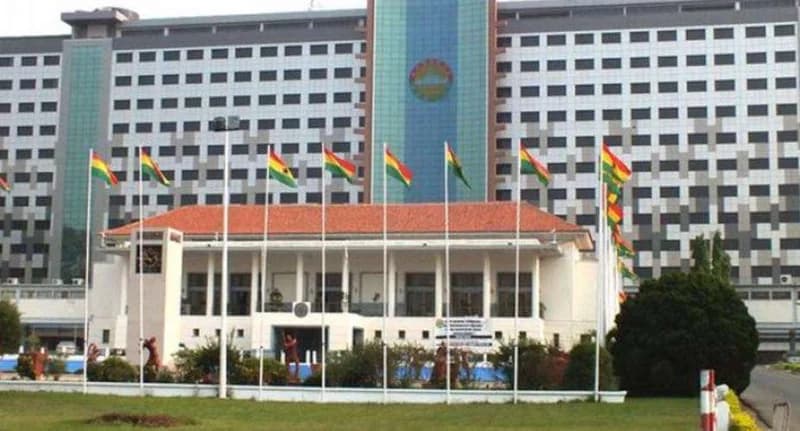
In a significant week for public education and civic engagement, the Parliament of Ghana has announced the opening of the country’s first Parliamentary Museum on September 22, 2026. Located within Parliament House in Accra, this legacy project spearheaded by Speaker Alban Bagbin aims to bridge the gap between the legislature and the citizenry. The museum will showcase the evolution of Ghana’s democratic journey through historical photographs, documents, and interactive exhibits detailing the law-making process. Members of the public can access the facility during weekdays, provided they book their visits through the official parliamentary website, marking a new era of transparency and historical preservation in the capital.
Complementing this focus on history, celebrated journalist and author Zeinab Badawi has announced the release of her new children’s book, "Africa: History and Heroes." This adapted version of her widely acclaimed work, "An African History of Africa," uses vivid illustrations and simplified text to introduce young readers to the continent’s rich heritage and global significance. Badawi’s project aligns with broader efforts in Ghana to foster a deep sense of identity and understanding among the youth, ensuring that the stories of African heroes are taught from an early age to counter historical misconceptions and inspire future generations.
On the civic front, the National Identification Authority (NIA) celebrated its 20th anniversary and International Identity Day on September 16, 2026. The authority conducted a massive public education float through the streets of Accra, culminating at the Legon Business School with a mass registration exercise. This initiative sought to raise awareness about the critical role of the Ghana Card in accessing essential services. Simultaneously, the Media Foundation for West Africa (MFWA) has taken steps to educate and protect the media landscape by launching a GHC544,000 Legal Support Fund. This fund, established under the African Media Integrity and Resilience Programme, is designed to support journalists facing legal intimidation while pursuing public-interest stories, thereby strengthening the quality of journalism education and practice in Ghana.
Linguistic inclusivity remains a cornerstone of these educational efforts, as highlighted by Jehovah’s Witnesses ahead of International Translation Day on September 30, 2026. The organization reaffirmed its commitment to breaking language barriers by translating the Bible and educational literature into over 1,100 languages globally, including 15 Ghanaian languages. Using their proprietary Multilanguage Electronic Publishing System (MEPS) and ten remote translation offices across Ghana, volunteers have recently completed the translation of the Gospel of Matthew into Ghanaian Sign Language. These efforts ensure that vital information and spiritual materials are accessible to underserved communities in their own native tongues.
Together, these diverse initiatives—ranging from parliamentary transparency and historical literature to civic registration and linguistic diversity—represent a coordinated push toward a more informed and engaged Ghanaian society. As the Parliamentary Museum opens and translation efforts expand, the focus remains on equipping citizens with the knowledge and tools necessary to participate fully in the nation's democratic and cultural life. These milestones set a robust foundation for continued education and national development as the year progresses.

