••
Parliament Re-passes Controversial Anti-LGBTQ+ Bill Amid Quorum Disputes and Claims of 'Watered Down' Provisions
•3 min read•39 sources
Ghana’s Parliament has once again passed the Human Sexual Rights and Family Values Bill, 2025, a legislative move aimed at criminalizing LGBTQ+ activities and advocacy across the country. The bill’s passage on May 29, 2026, follows a tumultuous history involving legal stalemates and international pressure. While the legislation seeks to uphold traditional Ghanaian family values by imposing prison sentences of up to five years for prohibited acts, it has sparked a fierce debate within the House. Majority Leader Mahama Ayariga and MP Samuel Nartey George defended the bill as a necessary step to protect cultural values while avoiding constitutional pitfalls. However, members of the Minority Caucus and the New Patriotic Party (NPP), including John Ntim Fordjour and Kojo Oppong Nkrumah, have criticized the revised version as "toothless" and "empty," alleging that the omission of 31 clauses and the inclusion of exemptions for legal, medical, and media professionals have significantly diluted the bill's original intent.
Beyond the content of the legislation, the validity of the parliamentary process itself has come under intense scrutiny. Activist and legal practitioner Osagyefo Oliver Barker-Vormawor has challenged the legitimacy of the vote, alleging that Parliament lacked the required quorum with only 34 MPs present during the approval. This claim has been countered by Bernard Bediako, the MP for Akwatia, who asserted that parliamentary procedures presume a quorum is met unless a formal challenge is raised during the proceedings. This procedural dispute adds another layer of legal uncertainty to a bill that has already faced significant delays, including a refusal by former President Nana Akufo-Addo to assent due to pending Supreme Court challenges—a move that Majority Chief Whip Rockson-Nelson Dafeamekpor characterized as executive interference facilitated by former staff.
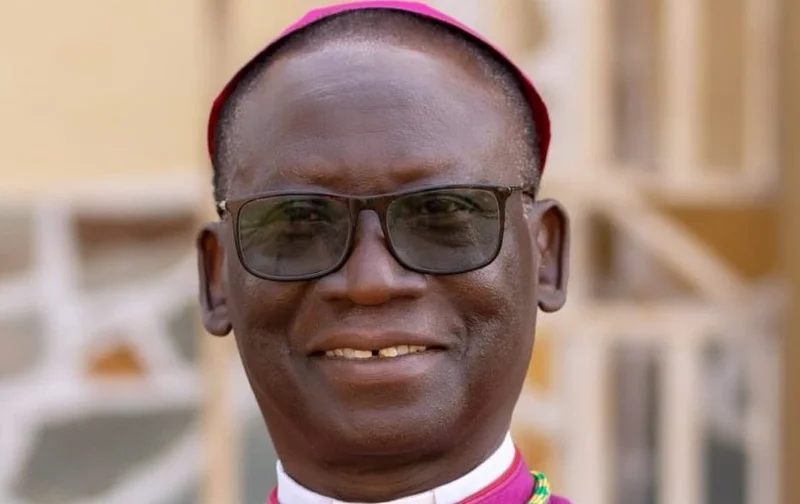
The bill's passage also reignites a critical conversation regarding Ghana’s international relations and economic stability. Finance Ministry warnings previously suggested that the law puts approximately $3.8 billion in World Bank financing at risk over the next several years. In response to these potential repercussions, the President of the Ghana Catholic Bishops’ Conference, Most Rev. Matthew Kwasi Gyamfi, has urged the nation to prioritize its sovereignty and cultural identity over conditional foreign aid. He argued that the threat of aid withdrawal should be viewed as an opportunity for Ghana to restructure its economy toward self-reliance. International relations analyst Dr. Nana Yaw Mireku echoed these sentiments, stressing that the country must focus on its national interests rather than global political dynamics.
As the bill now awaits presidential assent, Samuel Nartey George expressed confidence that President John Dramani Mahama will honor his commitment to sign the legislation into law. Meanwhile, members of the LGBTQ+ community, such as transgender activist Angel Maxine, have called for calm, suggesting that the parliamentary action may be more about political posturing than immediate enforcement. Despite the optimism from proponents, the bill remains a flashpoint for human rights organizations who warn that the "duty to report" provisions and the criminalization of identity will lead to state-sponsored surveillance and endanger lives. The coming weeks will be pivotal as the executive branch decides whether to finalize this contentious piece of legislation or face further legal and international pushback.
This story touches markets covered on Anansi Intelligence ↗.
Related topic
NPP (New Patriotic Party): Latest News →More from politics
Continue exploring similar stories


