••
Ghana’s Energy Sector at a Crossroads: Declining Oil Revenues Face Revitalization Through Upstream Drilling and Solar Expansion
•3 min read•9 sources
Ghana’s energy landscape is currently navigating a period of significant volatility, characterized by a six-year decline in crude oil production alongside aggressive new efforts to revitalize the sector. According to reports from the Institute for Energy Security (IES), the nation’s petroleum receipts plummeted by over 43% in 2025, falling from $1.36 billion in 2024 to $770.27 million. This financial strain stems from a consistent drop in production volumes, which peaked at 71.44 million barrels in 2019 but fell to approximately 37.30 million barrels in 2025. This downward trend is largely attributed to aging oil fields, a lack of new replacement reserves, and a hiatus in new petroleum agreements since 2018, leading to a projected further dip to 34.83 million barrels by late 2026.
Despite these challenges, the upstream sector appears to be reaching a pivotal turning point as the government and industry partners implement recovery strategies. The Jubilee field has shown renewed strength, with production recently exceeding 94,000 barrels per day (bopd) following a successful drilling campaign. Combined output from the Jubilee and TEN fields has surpassed the 100,000 bopd milestone, signaling a potential rebound. To sustain this momentum, authorities have approved the Greater Jubilee Plan, which involves a $2 billion investment to drill up to 20 new wells. Furthermore, the reduction of gas prices to $2.50 per MMBtu is expected to significantly lower electricity generation costs, providing a much-needed boost to Ghana’s industrialization agenda and overall economic stability.
Strategic infrastructure and international partnerships are also central to this transition. In July 2026, the Petroleum Hub Development Corporation (PHDC) formalized a Memorandum of Understanding with the Qatari conglomerate Al Kaabi Holding Group to collaborate on the multi-billion-dollar Petroleum Hub project. PHDC Chairman Dr. Toni Aubynn highlighted Ghana’s stable investment climate as a key factor in attracting such high-profile international interest. This development is complemented by Nigeria’s recent regional success, where oil output reached a six-year high of 1.56 million barrels per day in June, illustrating the potential for growth within the West African energy corridor when operational reliability and infrastructure are prioritized.
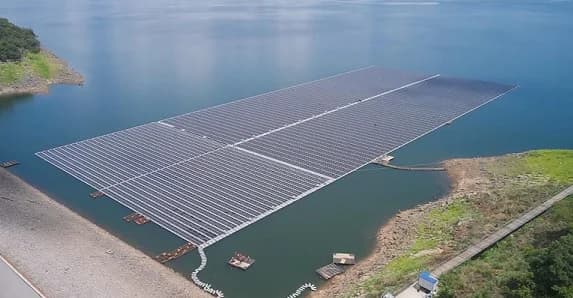
Parallel to traditional energy efforts, Ghana is making a major push into renewables to lower costs for the private sector. Presidential Advisor Augustus Goosie Tanoh announced that construction for the first phase of the ambitious 1,500-megawatt Buipe Solar Power Project will commence in August 2026. This initiative is a cornerstone of the government’s 24-Hour Economy and Accelerated Export Development Programme, aiming to slash industrial electricity costs from 23 cents to as low as 7 cents per kilowatt-hour. By integrating battery energy storage and expanding renewable capacity, Ghana intends to enhance its manufacturing competitiveness while securing a more diversified and sustainable energy future.
This story touches markets covered on Anansi Intelligence ↗.
Live rates
Dollar to cedi rate →More from business
Continue exploring similar stories