••
National Vaccine Institute Gains Strong Support for 2027 Local Manufacturing Agenda
•2 min read•6 sources
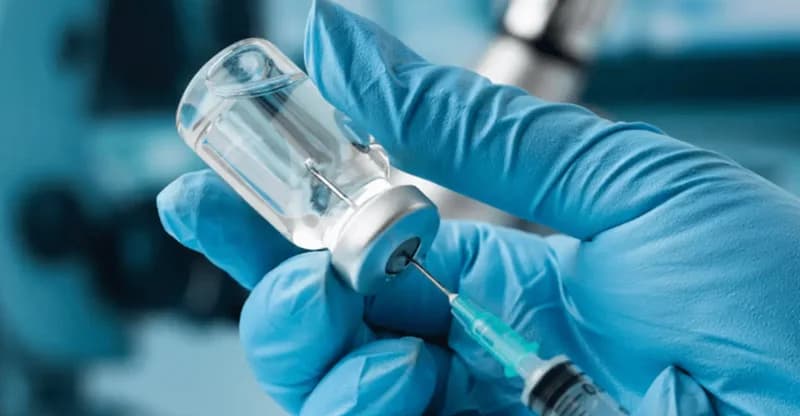
Stakeholders across Ghana, particularly in the Northern Region, have expressed robust support for the government's initiative to establish a domestic vaccine manufacturing hub. Led by the National Vaccine Institute (NVI), the project aims to begin producing vaccines—including mRNA-based COVID-19 shots and vaccines for malaria and tuberculosis—by 2027. This strategic shift toward local production is viewed as a critical milestone for national self-reliance, intended to reduce Ghana’s heavy dependence on imported medical supplies and ensure sovereign health security for the population. The move is expected to position Ghana as a significant player in pharmaceutical production within the West African sub-region.
Experts and community leaders, including Professor Yidana Adadoo and Alhaji Abdul Razak Sani, believe that manufacturing vaccines within the country will significantly enhance public trust and counter misinformation. By utilizing the expertise of Ghanaian scientists and health professionals, the initiative seeks to bolster the nation’s scientific capacity and technical expertise. Stakeholders emphasize that having a 'Made in Ghana' label on life-saving vaccines can instill a sense of national pride and help address the root causes of vaccine hesitancy. This local approach is seen as a way to provide more reliable access to healthcare while building a foundation for future medical innovation.
Beyond health benefits, the initiative is positioned as a catalyst for economic growth and a necessary step toward vaccine sovereignty. However, the success of this phased implementation depends on seamless collaboration between research institutions and rigorous regulatory oversight to ensure international quality standards. While there is high optimism regarding the technical capabilities of Ghanaian professionals, many participants in the national dialogue have called for swift and transparent implementation. They urge the government to ensure that the NVI’s roadmap is met with the necessary infrastructure and financial backing to become a functional reality.
Despite the widespread support, experts warn of a significant gap in public awareness regarding the NVI’s specific role and the long-term benefits of the project. Many residents remain uninformed about the initiative, prompting calls for extensive public education campaigns. Traditional and religious leaders are being urged to join the effort, helping to inform citizens about the safety and importance of locally produced vaccines. As the 2027 target approaches, the focus remains on fostering a well-informed public and building the necessary trust to ensure the sustainability of Ghana’s journey toward health independence.
This story touches markets covered on Anansi Intelligence ↗.
More from health
Continue exploring similar stories


