••
Ghana’s Political Parties Pivot Toward 2028 as NPP Elects Leaders and NDC Disciplines Campaigners
•3 min read•20 sources
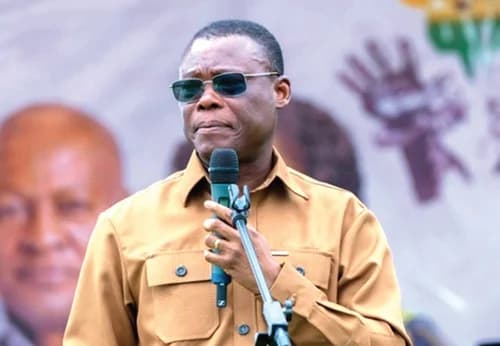
Ghana’s political landscape is shifting focus toward the 2028 general elections, with both major parties undergoing significant internal restructuring and addressing early leadership ambitions. The New Patriotic Party (NPP) is preparing for a high-stakes National Delegates Conference scheduled for October 3, 2026, in Kumasi, where 47 aspirants are vying for nine national positions. Simultaneously, the governing National Democratic Congress (NDC) has issued a stern directive through General Secretary Fifi Fiavi Kwetey, ordering all members to immediately cease premature parliamentary campaign activities to preserve party unity and adhere to the official electoral schedule, which culminates in a national congress in December 2026.
The NPP’s national chairmanship race has emerged as a focal point for the party's reorganization efforts following its recent electoral challenges. Former Energy Minister Boakye Agyarko is among the four leading contenders, alongside Paul Afoko, John Boadu, and Sammy Crabbe. The National Officers Elections Committee (NOEC), chaired by Frederick Opare-Ansah, has urged delegates to verify their eligibility via the party’s official website using a One-Time Password (OTP) system. This move, supported by the Electoral Commission and the Ghana Police Service, aims to ensure transparency and order during the Kumasi conference. Analysts suggest the outcome will be critical in determining whether the party can successfully rebuild voter trust and address systemic issues before the next national cycle.
Within the NDC, leadership hopefuls and grassroots supporters are also demanding structural changes. Dr. Akwasi Oppong-Fosu, a candidate for the National Chairman position, has introduced a "restoration, renewal, and reset" agenda designed to move the party away from personality-driven politics toward a system-focused approach. However, internal friction has surfaced at the local level. In Kwadaso, party supporters staged a demonstration on September 16, 2026, petitioning President John Mahama to revoke the appointment of Municipal Chief Executive (MCE) Eric Asibey. Protesters accused Asibey of failing to engage with the grassroots and mismanaging government initiatives, such as the "Nkoko Nketekete" poultry program, though Asibey has denied these allegations, maintaining his loyalty to the President’s agenda.
Beyond the two-party dominance, third-party movements and individual political clarifications are shaping the 2028 narrative. Alan Kyerematen, leader of the United Party (UP), has vowed to dismantle the "NPP-NDC duopoly," criticizing both parties for failing to resolve core developmental issues since 1992. Meanwhile, Julius Neequaye Kotey, CEO of the Driver and Vehicle Licensing Authority (DVLA), has moved to quell rumors regarding his own ambitions. Despite his deep roots in the Klottey Korle constituency, Kotey clarified that he will not challenge Dr. Zanetor Agyeman-Rawlings for her parliamentary seat in 2028, choosing instead to focus on ongoing reforms at the DVLA under the Mahama administration. These developments collectively underscore a period of intense preparation and jockeying as Ghana’s political actors define their roles for the years ahead.
Related topic
NDC (National Democratic Congress): Latest News →

