••
Ghana Advances Economic Sustainability through Energy Transition, Agricultural Modernization, and Fisheries Governance
•2 min read•4 sources
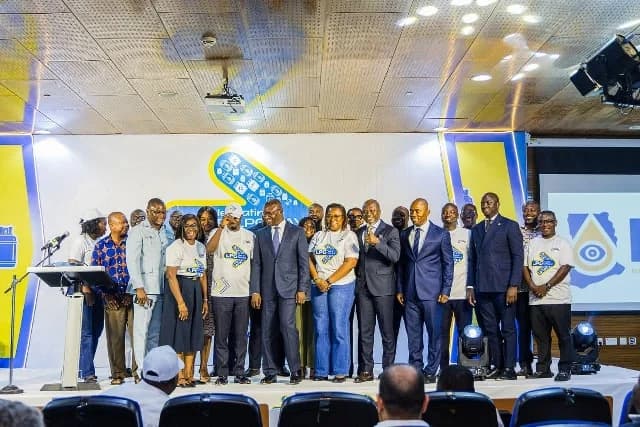
Ghana’s path toward a resilient and modernized economy took center stage as key stakeholders in energy, industry, and fisheries unveiled strategic initiatives aimed at long-term sustainability. At the 2026 World LPG Day commemoration, the National Petroleum Authority (NPA) reaffirmed its commitment to expanding access to Liquefied Petroleum Gas (LPG) as a cleaner energy alternative. NPA CEO Godwin Kudzo Tameklo emphasized the necessity of coordinated regulation and public education to accelerate adoption, while John Abdulai Jinapor underscored government plans to boost local production and integrate LPG use into secondary schools to reduce reliance on traditional fuels.
Parallel to the energy transition, the Association of Ghana Industries (AGI) used the 2026 Citi Business Festival to advocate for a structural shift in the nation’s agricultural framework. Moses Atobrah, AGI Sector Chair for Cosmetics, highlighted that Ghana’s persistent reliance on rain-fed farming is a significant bottleneck for the agro-processing industry, forcing manufacturers to import raw materials. The AGI is calling for urgent government investment in irrigation and modern storage infrastructure to mitigate weather-related supply disruptions and reduce post-harvest losses, which are critical for maintaining food security and industrial stability.
Further strengthening the primary sector, the Ministry of Fisheries and Aquaculture Development successfully concluded the Ghana Fish for Development (FfD) Programme, a landmark collaboration with Norway that began in 2019. The program has significantly enhanced fisheries governance, scientific research, and data collection while promoting the inclusion of women within the value chain. During the closure workshop, the Norwegian Ambassador, H.E. Dr. John Mikal Kvistad, and Fisheries Commission Executive Director Prof. Benjamin Campion noted that the program’s legacy lies in its institutional strengthening, ensuring that the gains in aquaculture development will be sustained through future national initiatives.
Together, these developments represent a multi-sectoral approach to Ghana’s development, bridging the gap between raw resource management and industrial processing. From the NPA’s focus on clean energy accessibility to the AGI’s push for year-round agricultural production and the Fisheries Commission’s improved governance models, the common thread remains a drive toward self-sufficiency and regulatory excellence. As these programs transition into their next phases, the focus remains on attracting private investment and maintaining the international partnerships necessary to secure Ghana’s economic future.
This story touches markets covered on Anansi Intelligence ↗.
More from business
Continue exploring similar stories


