••
Ghana’s Political Landscape Shifts as NDC and NPP Navigate Internal Power Struggles and Succession Planning
•3 min read•36 sources
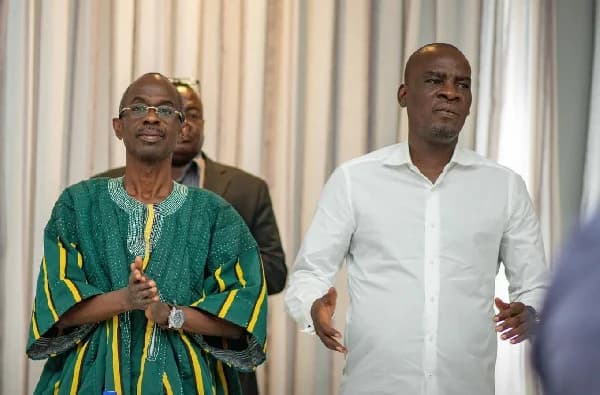
Ghana's political landscape is witnessing a significant shift as both the National Democratic Congress (NDC) and the New Patriotic Party (NPP) grapple with internal reorganization and the early signs of succession battles. Following the NDC’s victory in the 2024 elections, analysts and political opponents alike are pointing to emerging cracks within the party as it begins to look toward a future beyond President John Dramani Mahama’s final term. Dennis Miracles Aboagye, Director of Communications for Dr. Mahamudu Bawumia’s campaign, has characterized the NDC’s current state as a "fierce internal contest" in uncharted territory, suggesting that the party’s historical reliance on dominant leadership is being tested as the race for the 2028 flagbearer begins to take shape.
Within the NDC, a perceived rivalry between National Chairman Johnson Asiedu Nketiah and high-ranking figures like Haruna Iddrisu has become a focal point of public discourse. Analysts such as Dr. John Osae-Kwapong of CDD-Ghana have warned that these public exchanges—including overlapping "thank-you tours" and debates over the strategic impact of parliamentary leadership reshuffles—could distract the administration from critical governance priorities. While some political scientists, including Dr. Kwasi Amakye-Boateng, downplay these tensions as normal for a democratic party, others like Dr. Joshua Zaato and Dr. Paul Herzuah warn that personal ambitions must not overshadow party interests. To maintain order, the NDC’s Savannah Regional Executive Committee has officially banned premature campaigning, and Greater Accra Chairman Emmanuel Nii Ashie Moore has appealed to the National Chief Imam for prayers to preserve party cohesion.
On the other side of the aisle, former NPP National Chairman Paul Afoko has re-emerged with his "3R Agenda"—Reunite, Rebuild, and Recapture—urging the party’s Minority Caucus to lead the charge in regaining public trust. Afoko’s strategy emphasizes the need to heal internal rifts and address a growing disconnect with Ghana's youth, whom he views as essential for a 2028 comeback. However, these efforts toward unity are being challenged by localized friction; reports of assault and intimidation during a party album compilation exercise in the Manso Nkwanta Constituency have prompted calls for urgent intervention from security agencies and party leadership to restore calm and prevent further damage to the party's grassroots structure.
Beyond party-specific maneuvers, broader sociopolitical challenges continue to influence the national narrative. Madam Fauzia Abagnamah of the NDC recently highlighted the persistent gender-based discrimination female politicians face, noting that derogatory labeling remains a significant barrier to political inclusion. Furthermore, economic analysis from experts like Dr. George Domfe suggests that voter sentiment remains heavily tied to global and local economic pressures rather than just political messaging. As both parties navigate these internal and external pressures, the ability to manage individual ambitions while delivering on governance and addressing the concerns of a diverse electorate will likely determine the trajectory of Ghanaian politics over the next four years.
This story touches markets covered on Anansi Intelligence ↗.
Related topic
NDC (National Democratic Congress): Latest News →More from politics
Continue exploring similar stories


