••
Ghana Advances National Reform Agenda Amidst Infrastructure Push and Economic Debate
•3 min read•60 sources
The Ghanaian government, under the leadership of President John Dramani Mahama, has intensified its national development agenda through a series of landmark legislative reforms and infrastructure initiatives. Central to these efforts is the signing of the Value for Money Office Act 2026, a strategic move aimed at curbing wasteful public spending and inflated contracts. Finance Minister Dr. Cassiel Ato Forson highlighted that the office, set to be operational by January 2027, will oversee single-source procurement to ensure fiscal discipline. However, this push for accountability comes amidst reports from the State Interests and Governance Authority (SIGA) showing that only 32% of state-owned enterprises met the April 2025 deadline for financial reporting, sparking concerns about transparency within the public sector.
On the economic front, a sharp debate has emerged regarding the impact of macroeconomic stability on the average citizen. Nana Akomea of the New Patriotic Party (NPP) challenged the government's narrative, asserting that "Ghanaians do not eat stability" and arguing that low inflation figures have yet to translate into lower living costs or relief from high import charges. In response, Minister of State Felix Kwakye Ofosu defended the administration's record, citing stabilized exchange rates, reduced fuel prices, and lower transport fares as tangible evidence of progress. While the political leadership debates economic metrics, the government has launched the 'Mahama Cares' healthcare initiative and committed to fully financing national vaccine requirements by 2030 to reduce dependency on the Global Fund.
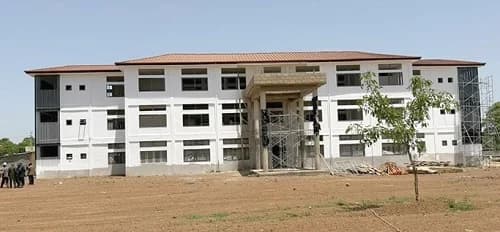
Sectoral reforms are also reshaping legal education and infrastructure. The signing of the Legal Education Reform Act has effectively ended the Ghana School of Law's long-standing monopoly, with Majority Chief Whip Rockson-Nelson Dafeamekpor announcing the abolition of entrance examinations to expand access for LLB graduates. In the transport sector, Roads and Highways Minister Kwame Governs Agbodza has taken a firm stance against project delays, warning contractors on the Enchi–Elubo road of contract termination while simultaneously launching a government-funded training program for heavy equipment operators. These efforts are complemented by the groundbreaking of the first technical and vocational institute in the Wa West District and the inauguration of the University of Engineering and Agricultural Sciences in Bonsu.
As the nation moves toward the latter half of 2026, both major political parties are restructuring for future engagements. The ruling National Democratic Congress (NDC), led by Chairman Johnson Asiedu Nketiah, is conducting nationwide 'Thank You' tours to engage grassroots supporters, while the NPP has established 30 new committees to reposition its policy framework. Internationally, Ghana continues to strengthen its diplomatic and economic ties, evidenced by the EU's €1 billion Global Gateway investment package and new diplomatic credentials presented in South America. These multifaceted developments signal a pivotal period for Ghana as it seeks to balance institutional reform with the immediate socio-economic needs of its population.
This story touches markets covered on Anansi Intelligence ↗.
Related topic
NDC (National Democratic Congress): Latest News →More from politics
Continue exploring similar stories


