••
Ghanaian Music Industry: High-Stakes Investments, Calls for Professional Respect, and Vision for Unity
•3 min read•6 sources
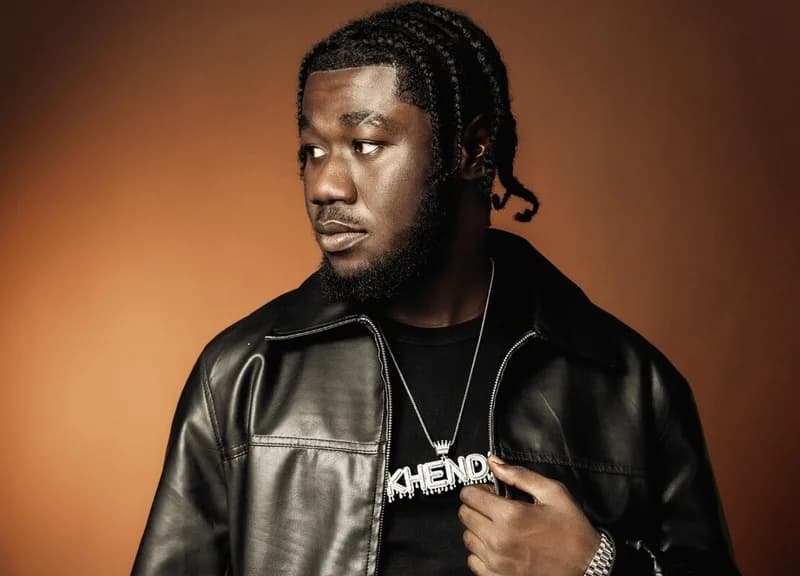
The Ghanaian music industry is currently navigating a complex landscape defined by artistic excellence, significant financial investments, and a push for greater societal respect. Prominent lawyer and creative advocate Ace Anan Ankomah has sparked a national conversation by condemning the persistent disrespect toward musicians. Ankomah, who chose law over a potential music career, argued that musical talent is not a sign of academic failure, recounting instances where his own musical background was used to disparage his professional standing in court. He emphasized that in the modern economy, the very critics who look down on musicians may eventually find themselves relying on the economic power generated by the creative sector. This sentiment is echoed by the success of figures like Khendibeatz, the producer of the year at the 26th Telecel Ghana Music Awards (TGMA), whose work on King Paluta’s 'Aseda' and recent collaborations with Sarkodie demonstrate the growing sophistication and technical mastery of Ghana’s modern sound.
While talent is undeniable, industry insiders highlight that financial capital remains a deciding factor in sustaining success. Artiste Ras Kuuku recently attributed Stonebwoy’s consistent dominance at the TGMA to substantial investments in marketing and promotion, noting that while many work hard, the scale of Stonebwoy’s financial backing sets him apart. This focus on industry financing, however, remains a sensitive topic following the collapse of Zylofon Media. Artiste manager Bullet recently alleged that Nana Appiah Mensah (NAM 1), the CEO of the defunct Menzgold and Zylofon Media, used high-profile signings like Shatta Wale and Stonebwoy to gain public trust for his investment schemes. Bullet argued that the celebrities were essentially used as covers for NAM 1’s alleged scams, highlighting the vulnerabilities artists face when navigating large-scale corporate endorsements.
Amidst these professional and financial tensions, there is a growing narrative of personal conviction and calls for industry-wide unity. Singer Sista Afia recently opened up about her transition to secular music despite her deep roots in the Archbishop Duncan Williams family. While her family initially expected a gospel career, she emphasized that her cousin Daniel (Deewills) and herself are following their own paths without interference from the Bishop, showcasing the diversifying backgrounds of Ghanaian stars. Simultaneously, Dancehall icon Shatta Wale has called for a shift in mindset, expressing a desire to end industry rivalries and see himself, Stonebwoy, and Sarkodie travel together for international tours. By prioritizing collaboration over competition, Shatta Wale suggests that Ghanaian music can reach new heights on the global stage, a vision that aligns with the industry's continued evolution toward professional maturity.
This story touches markets covered on Anansi Intelligence ↗.
Related topic
Shatta Wale: Latest News & Updates →More from entertainment
Continue exploring similar stories


