••
Industry Critiques and Personal Triumphs: Ghanaian Stars Navigate Fame, Finances, and Professional Respect
•3 min read•16 sources
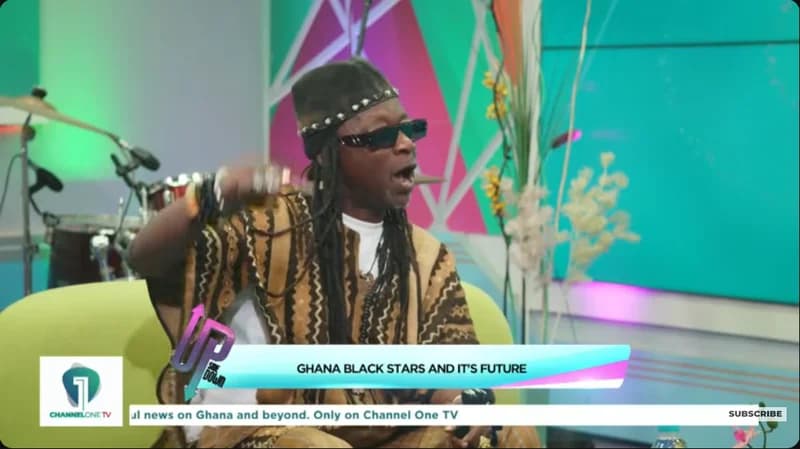
The Ghanaian entertainment landscape is currently undergoing a period of intense reflection as veteran figures and rising stars alike address issues of professional respect, financial sustainability, and the industry's evolving cultural value. Highlife legend Amandzeba Nat Brew recently sparked a significant conversation by critiquing the commercialization of the music industry, which he likened to "fast food" that prioritizes quick profits over lasting quality. Speaking on 'The UpSide Down Show', Amandzeba highlighted the risks of relying on foreign music in local advertising and called for stronger intellectual property protections. This sentiment of seeking professional validation was echoed by actress Nana Ama McBrown, who recently demanded greater respect and fair compensation for industry veterans, specifically addressing criticisms regarding her request for appearance fees at major award ceremonies. She emphasized that her decades of contribution to the creative arts should be recognized rather than judged by those outside her professional standing.
Beneath these systemic critiques lie deeply personal stories of resilience and the historical challenges of breaking into the spotlight. Amandzeba shared his own "battle" against family opposition to his career, a struggle mirrored in the emotional testimony provided by the father of rising star OliveTheBoy. The latter recounted a painful encounter with music executive Mark Okraku-Mantey, claiming that a CD he submitted for review was dismissively thrown away. This humiliation, while devastating at the time, reportedly fueled the determination that eventually led to his son's current success. These narratives underscore a persistent theme in the Ghanaian creative sector: the necessity of perseverance in the face of both social stigma and industry gatekeeping.
The industry's internal politics extend into the realm of public feuds and financial realities, as seen in recent exchanges between high-profile artists. Musician Stonebwoy ignited social media debates with cryptic comments regarding "convenient friendships" among peers, which many interpreted as a jab at Shatta Wale and Sarkodie following their joint performance in the UK. This prompted a sharp rebuttal from socialite Tornado, who accused Stonebwoy of hypocrisy. Meanwhile, Kumawood actors Mr. Beautiful and Yaw Dabo have shed light on the often-difficult economic landscape of Ghanaian cinema. While Mr. Beautiful alleged that industry politics and blacklisting have historically limited casting opportunities, Yaw Dabo revealed the sobering reality that stardom does not always equate to wealth, noting that single advertising campaigns often pay more than entire film roles.
Despite these professional hurdles, the era of social media has introduced new dynamics to celebrity-fan interactions and personal branding. Actor and comedian Jeffrey Nortey recently shared lighthearted accounts of bold fans "shooting their shots" via direct messages, reflecting a shift toward more accessible and informal communication between public figures and their audience. Similarly, musician Sista Afia highlighted her journey toward financial independence, which began as a bar attendant at age 15, illustrating a growing trend of self-reliance among modern entertainers. As the industry moves forward, these varied perspectives—from Amandzeba's call for quality to Yaw Dabo’s financial transparency—suggest a sector in transition, where the pursuit of fame is increasingly balanced by demands for professional integrity and economic security.
Related topic
Nana Ama McBrown: Latest News & Updates →
