••
Ghana Enhances Educational Infrastructure: MTN Unveils STEM Centre as Government Boosts Tertiary and Health Training Support
•2 min read•6 sources
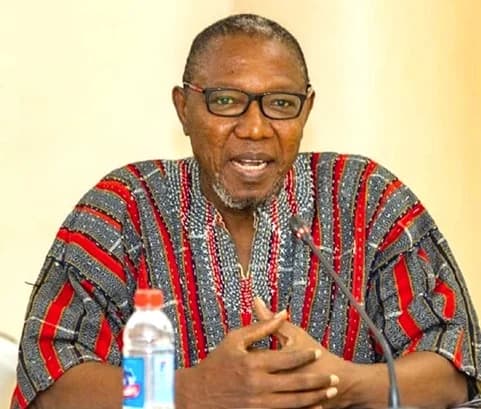
Ghana’s education sector is undergoing a period of targeted investment and structural reform, ranging from high-tech infrastructure projects to significant financial aid for disadvantaged students. A primary highlight of this progress is the inauguration of a new Science, Technology, Engineering, and Mathematics (STEM) learning centre at the Asafo M/A Basic School in the Ashanti Region. Funded by the MTN Ghana Foundation at a cost of GH¢946,189.71, the facility is equipped with 35 computer workstations and specialized robotics training equipment. This initiative aims to bridge the digital divide and inspire a new generation of innovators, addressing previous concerns regarding the school’s outdated ICT infrastructure.
In tandem with physical infrastructure gains, the government is expanding financial access for tertiary students. Deputy Minister of Education and Member of Parliament for Builsa South, Dr. Clement Abas Apaak, has committed GH¢331,000 from the District Assemblies Common Fund to support 248 financially disadvantaged students. Under this scheme, university students are receiving GH¢1,500 each, while those enrolled in colleges of education and nursing receive GH¢1,000. Dr. Apaak emphasized that these funds are vital for empowering the youth and ensuring that financial constraints do not hinder the pursuit of quality higher education and sustainable development.
The Ministry of Health is also implementing sweeping reforms to strengthen health training institutions across the country. Led by Deputy Minister Dr. Grace Ayensu-Danquah, the ministry has introduced PhD scholarships for nursing instructors and launched new specialist nursing programs, including a Bachelor of Science in public health nursing in 14 colleges. These reforms focus on harmonizing entry standards and ensuring a transparent admission process. Simultaneously, in the environmental education space, the Kumasi Metropolitan Assembly (KMA) has launched a $50,000 Youth Climate Action Fund, offering grants between $1,000 and $5,000 to young innovators aged 15-24 for local climate solution projects.
Despite these advancements, significant infrastructure gaps remain in rural districts that require urgent attention. In the Nanumba North Municipality, specifically the Sikpan Electoral Area, education for approximately 200 pupils at the Okpanjani E.P. Basic School is frequently disrupted by seasonal flooding and a lack of permanent school buildings. Local authorities and residents have called for immediate intervention to address these systemic challenges, which include poor roads and a lack of health facilities. These contrasting realities underscore the ongoing need for balanced development to ensure that the benefits of educational modernization reach every community in Ghana.
This story touches markets covered on Anansi Intelligence ↗.
More from education
Continue exploring similar stories


