••
Ghana Politics Digest: MP Detained in Netherlands Amid International Warrant as Calls for Systemic Institutional Reform Intensify
•3 min read•57 sources
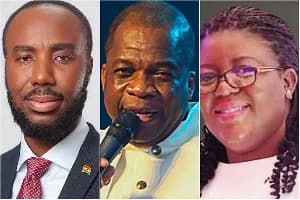
The Ghanaian political landscape has been jolted by the detention of Kwame Ohene Frimpong, the Independent Member of Parliament for Asante Akyem North, at Schiphol Airport in the Netherlands. Intercepted while traveling on a diplomatic passport to London, Frimpong was held based on an arrest warrant issued by United States authorities through Interpol. The allegations involve a complex international investigation into financial crimes, including money laundering and romance scams estimated at approximately $32 million. While the Majority Chief Whip, Rockson-Nelson Dafeamekpor, confirmed that Parliament and the Ministry of Foreign Affairs are coordinating legal and diplomatic support through a Ghanaian lawyer in The Hague, the incident has sparked a national debate over the limits of diplomatic immunity. Legal experts, including Amanda Clinton, have clarified that a diplomatic passport does not grant absolute protection from criminal investigation under international law, especially regarding private trips or non-parliamentary functions. Domestically, the government's anti-corruption and institutional frameworks face growing scrutiny. Nana Agyei Baffour Awuah, MP for Manhyia South, expressed skepticism regarding the 'Operation Recover All Loot' (ORAL) initiative, questioning its legal foundation and the likelihood of successful courtroom victories. This skepticism regarding institutional efficacy is echoed in the healthcare sector, where neurosurgeon Dr. Hadi Mohammed Abdallah has slammed what he calls Ghana’s 'culture of scapegoats.' Following the tragic death of engineer Charles Amissah due to medical neglect, Dr. Abdallah argued that the nation's tendency to blame individuals rather than addressing systemic failures prevents meaningful policy reform. He drew parallels to the May 9 Stadium Disaster, urging a shift from emotional outrage to structural institutional changes that ensure accountability and prevent recurring national tragedies. In education and local governance, transition and tension remain prominent themes. Kwame Nkrumah University of Science and Technology (KNUST) has appointed Professor Christian Agyare as its next Vice-Chancellor, effective August 2026, marking a new chapter for the institution following the historic tenure of Rita Akosua Dickson. However, the education sector faces immediate challenges as the Graduate Students’ Association of Ghana (GRASAG) threatens protests over delayed bursary payments for the 2023/2024 academic year. Simultaneously, at the local level, the Lawra Municipal Assembly is intensifying efforts to address infrastructure deficits and revenue gaps, while a Parliamentary Select Committee has sought the guidance of Otumfuo Osei Tutu II to resolve a rising tide of chieftaincy disputes that threaten regional stability and national cohesion. Environmental governance is also seeing proactive steps with the Forestry Commission's inauguration of a working group to develop Ghana’s first comprehensive Forest Protection Strategy. Aimed at curbing illegal mining and logging, particularly in the Western North and Ashanti Regions, this initiative seeks to modernize enforcement through technology and harmonized legislation. These developments, ranging from international legal battles to local administrative reforms, underscore a pivotal moment for Ghanaian governance. As the state manages the diplomatic fallout of the Frimpong detention and labor disputes at the National Identification Authority, the focus remains on whether these various crises will lead to the systemic reforms called for by civil society and professional experts or merely result in further individual scapegoating.
This story touches markets covered on Anansi Intelligence ↗.
More from politics
Continue exploring similar stories


