••
Ghana Strengthens Regional Cooperation and Food Security Through Morocco Partnership and 750-Hectare Agricultural Hub
•2 min read•4 sources
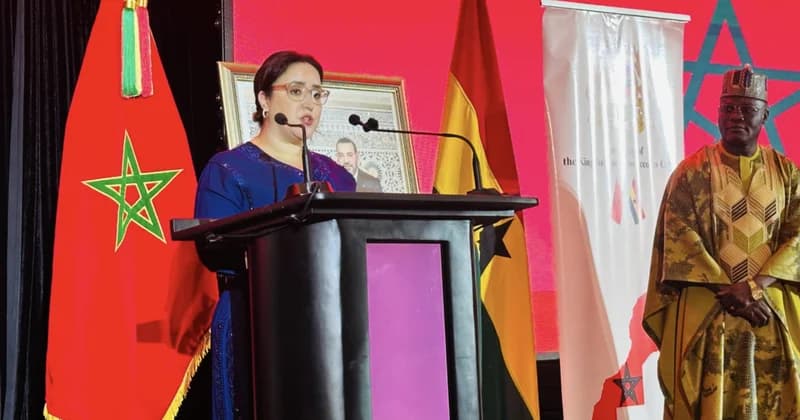
Ghana is intensifying its efforts to secure economic stability and food sovereignty through strategic international partnerships and innovative local projects. During the Second Session of the Ghana-Morocco Permanent Joint Commission for Cooperation, both nations reaffirmed their commitment to deepening bilateral ties, focusing on trade, investment, and agricultural sectorial cooperation. This diplomatic advancement coincides with domestic strides in agricultural infrastructure, notably the establishment of a massive vegetable production hub designed to bolster the national Feed Ghana Agenda. Moroccan Ambassador Mrs. Imane Ouaadil highlighted the creation of an Economic and Investment Forum, positioning Ghana as a key player in King Mohammed VI’s vision for African integration. The collaboration has already yielded tangible results, including Morocco’s donation of 2,000 tonnes of fertilizer to support Ghanaian farmers. Representing the government, Minister Ahmed Ibrahim emphasized that these longstanding relations are a testament to African solidarity and are vital for mutual economic expansion across multiple sectors. Complementing these international ties is a new partnership between the Ministry of Food and Agriculture (MoFA) and the African Agribusiness Consortium (AAC). The two entities are collaborating to establish a 750-hectare irrigated vegetable production hub in the Eastern Region. This project is set to provide a significant boost to food security while creating high-value employment opportunities. Specifically, the hub will engage 118 Ghanaian graduates trained in agricultural sciences, integrating modern commercial farming techniques into the local economy to ensure a scientifically-backed food supply chain. Parallel to these agricultural developments, Ghana is addressing the intersections of gender and sustainability through grassroots energy initiatives. In the North Dayi District, women are leading the way by converting coconut husks into clean-burning briquettes. This movement, supported by the Africa Just Transition Network and EcoClub 360, addresses gender disparities highlighted in the National Energy Compact, where women currently hold only 25 percent of public energy utility roles. By empowering women as entrepreneurs in the clean energy value chain, the initiative aims to reduce health risks while contributing to Ghana’s climate adaptation goals. Together, these initiatives reflect a multi-faceted approach to national development under the current administration. From high-level diplomatic cooperation with Morocco to localized agricultural hubs and gender-inclusive energy transitions, Ghana is building a foundation for a resilient economy. As the government continues to pursue the Feed Ghana Agenda and inclusive climate action, the integration of foreign investment, graduate expertise, and grassroots leadership remains essential for ensuring a sustainable and prosperous future.
This story touches markets covered on Anansi Intelligence ↗.
More from africa
Continue exploring similar stories


