••
Ghana Unites to Combat Period Poverty and Break Menstrual Taboos on World Menstrual Hygiene Day
•3 min read•22 sources
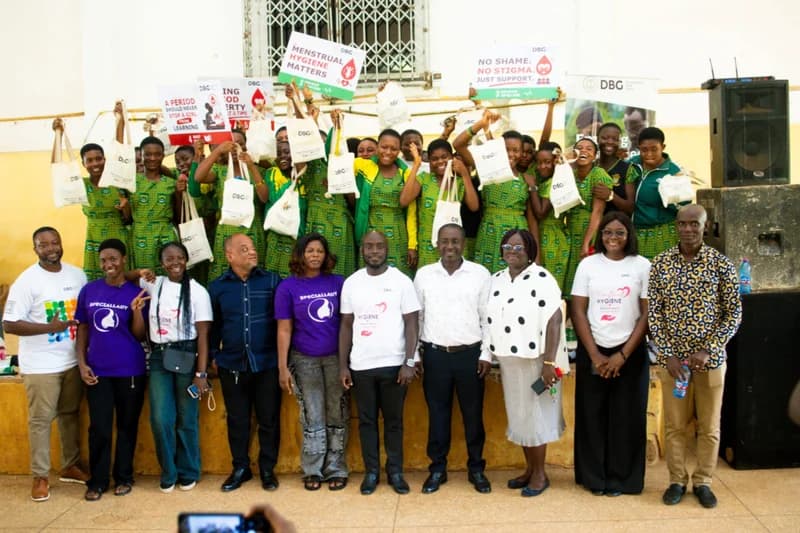
Ghana joined the global community on May 28 to observe World Menstrual Hygiene Day under the theme "Together for a Period-Friendly World," launching a wave of nationwide initiatives to address period poverty and social stigma. The urgency of these interventions is underscored by data from the Ghana Menstrual Health Snapshot by Days for Girls, which reveals that approximately 95% of girls in Ghana miss school annually due to menstrual health challenges. Stakeholders from the corporate sector, non-governmental organizations, and traditional leadership have converged to advocate for a future where menstruation is normalized and does not hinder a girl's education or dignity.
Major corporate contributions headlined the celebrations, with Development Bank Ghana (DBG) launching a significant Corporate Social Responsibility initiative that distributed over 10,000 sanitary pads to students in the Ahafo Ano North and Tano South Municipalities. Simultaneously, Lexta Ghana Limited, through its Yazz Personal Care brand, executed its #EmpoweredPeriodsCampaign across 19 locations nationwide, providing free sanitary products and hygiene education to thousands of adolescent girls. In the Ahafo Region, the Underground Mining Alliance (UMA) combined menstrual health advocacy with healthcare infrastructure support, donating $2,000 to the St. Elizabeth Catholic Hospital in Kenyasi while providing sanitary supplies to local basic schools.
Inclusivity and the dismantling of cultural myths were central to this year's outreach. The Planned Parenthood Association of Ghana (PPAG) focused its efforts on the Bechem School for the Deaf and Blind, ensuring that visually and hearing-impaired girls receive specialized menstrual hygiene education and supplies. Regional leaders, including Queen Mother Nana Adjoa Amowah II in Srafa-Aboano and Queen Mother Mama Ayim Kyrebea I in Peki-Avetile, led community programs to challenge the "unclean" myth associated with menstruation. In Peki-Avetile, the celebration uniquely integrated sports, using a cycling session organized by GroomDatGirl and the Vida Cycling Program to empower young women and promote physical wellness during their cycles.
Beyond the distribution of products, health experts are calling for a more nuanced understanding of menstrual health as a clinical priority. Esther Apreku of the All Love Foundation and various health officers emphasized that severe menstrual pain should not be dismissed as normal, as it may mask serious conditions like endometriosis or Polycystic Ovary Syndrome (PCOS). While recent government actions—such as removing taxes on sanitary pad raw materials—are recognized as positive steps, advocates stress the need for local production and sustainable affordability. These collective efforts align with the United Nations Sustainable Development Goals on health, education, and gender equality, aiming to ensure that no girl in Ghana is forced to sacrifice her future due to a natural biological process.
This story touches markets covered on Anansi Intelligence ↗.
More from health
Continue exploring similar stories


