••
Ghana Marks Menstrual Hygiene Day with Nationwide Advocacy for Infrastructure, Health Education, and Access
•3 min read•10 sources
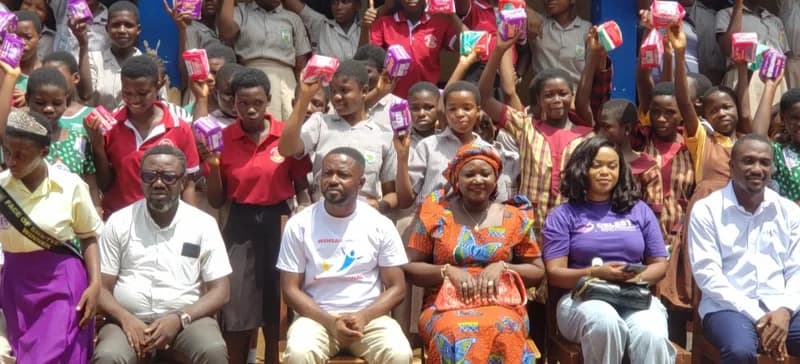
Ghana joined the global community to commemorate World Menstrual Hygiene Day on May 28, 2026, under the theme "Period Friendly World." The day was marked by a series of education sessions, donation drives, and urgent calls for systemic reform to address the challenges adolescent girls face. From Sunyani to Tema and Juaben, health experts and advocacy groups emphasized that managing menstruation with dignity is not only a health necessity but a prerequisite for educational equity. The nationwide activities aimed to dispel long-standing myths and provide practical solutions to the hygiene gaps that frequently force girls out of school.
In Sunyani and Tema, health professionals provided critical guidance on infection prevention and personal care. Mrs. Felicia Konadu, Health Promotion Manager at the Sunyani Municipal Directorate of Health, strongly advised adolescent girls to prioritize cotton underwear over synthetic materials, noting that breathable fabrics are essential for preventing infections during menses. Similarly, in Tema, midwife Jennifer Benuah Acquah and the Star Old Students Association (SOSA) educated students at Star Primary and JHS on the importance of frequent product changes and hand hygiene. These educational efforts were bolstered by the distribution of sanitary pads from organizations like the WENSAH Foundation and Women Torchbearers Worldwide, which targeted hundreds of girls to alleviate the immediate burden of menstrual poverty.
While local initiatives provided direct aid, a stark report from UNICEF highlighted deep-seated infrastructure deficits across the country. According to UNICEF, approximately 1.9 million Ghanaian students lack access to basic water facilities, and 1.8 million lack functional toilets in their schools. Furthermore, over 31% of adolescent girls have never received formal menstrual health education. UNICEF welcomed the government’s Free Sanitary Pads Initiative but stressed that without improved sanitation infrastructure and better data systems to track vulnerable populations, many girls will continue to face significant barriers to managing their periods safely and with dignity.
In Juaben, the advocacy took a corporate turn as United Pension Trustees (UPT) organized a seminar for over 2,000 junior high school students. Samira Nasiru, representing UPT, called for an end to the social stigma surrounding menstruation, arguing that the combination of high product costs and cultural shame constitutes a major public health hurdle. Juaben Municipal Girl Child Education Officer Yvonne Telfer echoed these sentiments, advocating for the permanent integration of menstrual health into the national school curriculum. As the day concluded, the collective message from stakeholders was clear: while individual hygiene practices and donations are vital, long-term success requires a sustained national commitment to infrastructure and the total eradication of menstrual stigma.
This story touches markets covered on Anansi Intelligence ↗.
More from health
Continue exploring similar stories


