Ghana News AI
HomeBriefsAsk GhanaAnalysisTopicsAbout
•
•

Stay Informed

Get AI-curated news briefs from Ghana delivered to your inbox every morning. Free forever, no spam.

Explore

  • Home
  • Briefs
  • About

Categories

  • Politics
  • Business
  • Sports
  • Entertainment
  • Africa

Features

  • Analysis
  • Cedi Rates
  • Dollar to Cedi
  • Ghana Gold Price

Topics

  • All Topics
  • Armed Forces Recruitment
  • Immigration Service Recruitment
  • Fire Service Recruitment
  • Prisons Service Recruitment
  • Customs Recruitment
  • WAEC Results & News
  • Ghana Education Service

Legal

  • Privacy Policy
  • Terms of Service
Ghana News AI© 2026 Ghana News AI. All rights reserved.
Made withfor Ghana
health

Ghana Medical Help Donates GH"7.5 Million Dialysis Lifeline to Northern Ghana Hospitals

27th June•2 min read•4 sources
Ghana Medical Help Donates GH"7.5 Million Dialysis Lifeline to Northern Ghana Hospitals
  1. Home
  2. /Health
  3. /Ghana Medical Help Donates GH"7.5 Million Dialysis Lifeline to Northern Ghana Hospitals

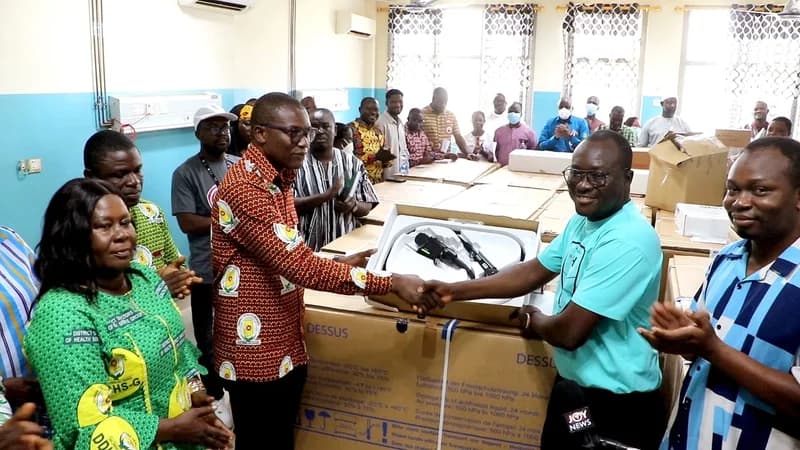
Ghana Medical Help (GMH) has delivered a significant GH"7.53 million boost to healthcare in Northern Ghana through the donation of 17 Fresenius 5008 dialysis machines and specialized imaging systems. This initiative, funded entirely by international philanthropists, is specifically targeted at the Upper West and Upper East Regions to address the growing crisis of kidney disease. The donation serves as a critical intervention for a region where patients have historically faced immense geographical and financial hurdles, often forced to travel hundreds of kilometers to southern facilities for life-sustaining treatment.

The distribution of the medical equipment aims to decentralize specialized care and establish sustainable treatment centers in rural areas. Key beneficiaries include the Upper West Regional Hospital, which received seven machines, and St. Theresa’s Catholic Hospital in Nandom, which is now set to establish a brand-new dialysis center with three units. By providing these advanced imaging and dialysis systems, the Canadian-Ghanaian charity is bridging a substantial gap in the regional medical infrastructure, ensuring that high-quality care is accessible to those in underserved communities.

GMH Country Director, Dr. Dominic Akaateba, has emphasized that the project's success hinges on a shift away from "voluntourism" and toward genuine local ownership. He urged hospital administrators and staff to prioritize rigorous maintenance and ethical patient care, warning that the investment must not be undermined by corrupt practices or negligence. Dr. Akaateba highlighted that while the machines are provided without expectation of financial return, the local health authorities must demonstrate a commitment to utilizing and preserving the equipment to maximize its long-term benefits for the populace.

Despite the arrival of this high-end technology, local health officials have identified a critical need for specialized personnel to operate the new machines effectively. The region continues to face a staffing crisis, and the sustainability of these new dialysis services depends on the recruitment and retention of trained medical professionals. Moving forward, the project is expected to not only alleviate the immediate suffering of kidney patients but also serve as a catalyst for broader healthcare improvements and the attraction of medical talent to Ghana’s northern regions.

Our Take

From the Team

Coming Soon

Our team will add key insights, trends, and actionable takeaways to help you stay informed faster.

This story touches markets covered on Anansi Intelligence ↗.

More from health

Continue exploring similar stories

Maxwell Obuba Mantey (3rd from left), Director-General, Narcotics Control Commission; Haruna Iddrisu, Minister of Education; Ernest Brogya Genfi (4th from right), Deputy Minister of Defence, and other dignitaries. Picture: ERNEST KODZI
health|2 days ago

Ghana Faces Growing Public Health Crisis as 6,000 Security Applicants Fail Drug Tests and Food Safety Concerns Rise

Ghana is navigating a multi-faceted public health and safety challenge, as recent reports highlight significant risks ranging from substance abuse among security service applicants to hazardous pesticide levels in food and gaps in environmental sanitation. The Narcotics Control Commission (NACOC) recently revealed that over 6,000 applicants for the nation’s security services—approximately 7 percent of the total—tested positive for illicit drugs during mandatory screenings. This discovery has sparked urgent concerns regarding the operational readiness of prospective personnel. Brig. Gen. Maxwell Obuba Mantey of NACOC emphasized that the surge in synthetic drug use and trafficking requires a robust, balanced approach involving prevention, treatment, and law enforcement to secure the nation’s future. Adding to the public health alarm, a study by the Centre for Indigenous Knowledge and Organisational Development (CIKOD), in collaboration with the Ghana Standards Authority, has exposed alarming levels of pesticide residues in common vegetables. The research found that over 66 percent of cabbage and okra samples sold on the Ghanaian market were non-compliant with acceptable safety limits. CIKOD’s Director of Programmes, Wilberforce Laate, warned of the severe long-term health risks associated with chronic pesticide exposure and urged the government and farmers to transition toward agro-ecological farming to ensure safer food production for consumers. The country’s environmental health infrastructure is also under significant strain, with professional associations and local officials calling for immediate intervention. The Unposted Environmental Health Officers and Assistants Association of Ghana (UEHOA) has petitioned the government to recruit nearly 4,000 unemployed graduates to bolster sanitation efforts. The association argues that the neglect of the environmental health profession has directly contributed to poor waste management, which in turn exacerbates flooding risks. This sentiment was echoed in Ho, where Municipal Environmental Health Officer Rogar Adjei warned that indiscriminate plastic waste disposal is blocking drainage systems, leading to increased mosquito breeding and waterborne disease outbreaks. These converging issues underscore a critical need for integrated public health policies and collective community responsibility. Whether addressing the rising tide of drug abuse, ensuring the integrity of the food chain, or strengthening environmental oversight, the consensus among experts is that proactive government recruitment and stringent enforcement of safety standards are essential. As the rainy season continues to pose flooding threats, the deployment of qualified environmental health officers and the adoption of safer agricultural practices remain pivotal steps in safeguarding the health and well-being of all Ghanaians.

At least 30 deaths at Congo camp show Ebola could be spreading fast
health|2 days ago

Ghana Health Crisis: GHANET Warns of HIV Kit Shortages as Cancer Society Demands National Priority for Childhood Care

Ghana's healthcare system is facing a dual challenge as the Ghana HIV and AIDS Network (GHANET) warns of an imminent shortage of testing commodities while the Childhood Cancer Society of Ghana (CCSG) calls for an urgent policy shift to improve survival rates. These local concerns coincide with a dire warning from the United Nations regarding a regional Ebola outbreak that could cost the African continent billions of dollars. Together, these developments highlight critical gaps in medical supply chains, funding, and the prioritization of life-saving interventions across the country and the wider region. Ernest Amoabeng Ortsin, President of GHANET, has sounded an alarm over the depletion of essential HIV testing kits, including both oral and blood-based varieties. Current supplies, primarily provided by the Global Fund, are expected to run out by the end of July, threatening to disrupt early diagnosis and treatment programs. This shortage is particularly concerning for pregnant women and emergency cases, potentially stalling progress toward the UNAIDS 95-95-95 targets. Experts attribute the crisis to slow government procurement and a heavy reliance on international donors, advocating for immediate buffer stocks and the promotion of local manufacturing to ensure long-term stability. Parallel to the diagnostic crisis, the Childhood Cancer Society of Ghana is advocating for childhood cancer to be elevated to a national priority. Professor Vivian Paintsil noted a stark disparity in outcomes, with Ghana’s survival rate for childhood cancer sitting below 50%, compared to up to 90% in high-income nations. The CCSG identifies high treatment costs, a shortage of specialized personnel, and the absence of a national registry as primary hurdles. To bridge this gap, stakeholders are urging the government to expand National Health Insurance Scheme (NHIS) coverage and utilize the Ghana Medical Trust Fund to support families battling the financial burden of the disease. On a regional scale, the United Nations has issued a sobering forecast regarding the Ebola outbreak in the Democratic Republic of Congo. Since mid-May, the Bundibugyo strain has resulted in over 1,300 infections and 377 deaths, prompting fears of a $3.6 billion economic loss across Africa. The UN emphasizes that while the outbreak could be contained with swift resource mobilization, a failure to act could trigger a larger health emergency and lead to hundreds of thousands of job losses. This regional threat underscores the interconnectedness of African health systems and the necessity of robust, proactive disaster management. These converging health issues demonstrate the urgent need for African governments to move toward self-reliance in medical supplies and health financing. Whether addressing the immediate scarcity of HIV kits in Ghana or the long-term systemic needs of cancer patients and regional pandemic preparedness, the path forward requires a blend of domestic investment and strategic international cooperation. Prioritizing health security today is essential to preventing the devastating human and economic costs projected for the near future.

GMet Issues Nationwide Weather Advisory Warning of Intense Thunderstorms and Flash Flood Risks
health|2 days ago

GMet Issues Nationwide Weather Advisory Warning of Intense Thunderstorms and Flash Flood Risks

The Ghana Meteorological Agency (GMet) has issued a comprehensive public safety advisory for July 1, 2026, warning of volatile weather conditions expected to sweep across the country. According to the agency, the day will likely begin with heavy cloud cover and morning mist but will rapidly transition into intense thunderstorms by the afternoon and evening. This advisory serves as a critical alert for residents to prepare for sudden atmospheric changes that could disrupt daily activities and pose significant safety hazards. The weather outlook varies by region, with specific risks identified for different geographic zones. The Coastal Belt is expected to see morning mist and moderate rain that will likely escalate into heavy rainstorms as the day progresses. In the Middle and Forest Zones, thick fog is projected to severely reduce visibility during the early hours, followed by severe evening thunderstorms. Conversely, the Northern Sector will remain predominantly sunny for the majority of the day, though isolated showers are anticipated in the late afternoon. Dr. Ignatius Kweku Williams, a deputy director at GMet, has emphasized the need for strategic planning, encouraging citizens to schedule outdoor activities around these expected weather shifts. Beyond the rain, the agency has warned of rough sea conditions, which pose a direct threat to fishermen and those living in coastal communities. There is also a heightened risk of flash floods in flood-prone areas due to ground saturation, prompting GMet to advise the public to avoid submerged roads and stay away from weak structures that may be vulnerable to storm damage. As these severe weather patterns emerge, the advisory highlights the broader implications for public health and safety. The combination of reduced visibility on the roads and the potential for flooding necessitates increased vigilance from both motorists and pedestrians. Local authorities are expected to monitor high-risk zones closely, while the public is urged to stay informed through official channels to mitigate the impact of these seasonal storms on life and property.

Health Experts Warn Against Emergency Contraceptive Misuse and Driver Fatigue Hazards
health|2 days ago

Health Experts Warn Against Emergency Contraceptive Misuse and Driver Fatigue Hazards

Grace Otoo, the School and Adolescent Health Coordinator for the Tema West Municipal Health Directorate, has issued a vital clarification regarding the use of emergency contraceptive pills (ECPs), warning that they are not designed to terminate existing pregnancies. Speaking on the GTV Breakfast show, Otoo addressed widespread misconceptions, explaining that ECPs function primarily by delaying ovulation or preventing fertilization. She emphasized that once fertilization has occurred and a pregnancy is established, these pills are ineffective, as they do not possess abortifacient properties. Otoo further cautioned against the routine misuse of ECPs as a primary form of birth control. She noted that these medications should be reserved strictly for emergencies and advised sexually active individuals to seek long-term, reliable contraceptive methods through professional consultation. By relying on consistent birth control rather than emergency interventions, individuals can better manage their reproductive health and avoid the uncertainty associated with the misuse of emergency medications. In a related advisory concerning physical health and safety, Assistant Superintendent of Police (ASP) Richard Dassah of the Motor Transport and Traffic Department (MTTD) has urged long-distance drivers to prioritize rest by avoiding sexual activity before or during their journeys. During a road safety program in Hohoe, ASP Dassah explained that sexual exhaustion can lead to significant fatigue, which impairs a driver's ability to remain alert. This physical strain, combined with risks like alcohol consumption and drug use, significantly increases the likelihood of road accidents. These combined warnings from health and safety officials emphasize the critical importance of informed personal conduct for public well-being. Whether it is understanding the biological limitations of reproductive health medications or recognizing the physical requirements for safe driving, the message remains clear: following professional health guidelines is essential. Officials continue to advocate for increased education and compliance with safety regulations to protect the lives and health of all Ghanaians.

All
africa
business
education
entertainment
health
news
politics
sports
technology