••
Stakeholders Boost Healthcare Delivery with Medical Equipment and Community Screenings Across Three Regions
•2 min read•3 sources
Recent weeks have seen a surge in collaborative efforts to enhance Ghana's healthcare landscape, with significant contributions from political leaders, professional bodies, and corporate entities. From the northern frontiers of Chiana-Paga to the bustling markets of Accra and the Ashanti region, various interventions—ranging from medical equipment donations to free public screenings—are addressing critical gaps in the nation's health delivery system. These initiatives reflect a multi-faceted approach to improving clinical outcomes and patient access to essential services.
In the Upper East Region, the Member of Parliament for Chiana-Paga, Hon. Nikyema Billa Alamzy, presented medical equipment valued at GH"80,600 to the Paga Hospital. The donation, which includes an electric theatre bed, a theatre trolley, LED lamps, and OPD chairs, is expected to significantly improve surgical and outpatient outcomes. During the presentation, Hon. Alamzy emphasized the importance of equipment maintenance while reaffirming his commitment to the district’s healthcare, including the acceleration of the local Agenda 111 Hospital project. Dr. John, a newly posted physician at the facility, noted that the arrival of these items would provide a much-needed boost to patient care efficiency.
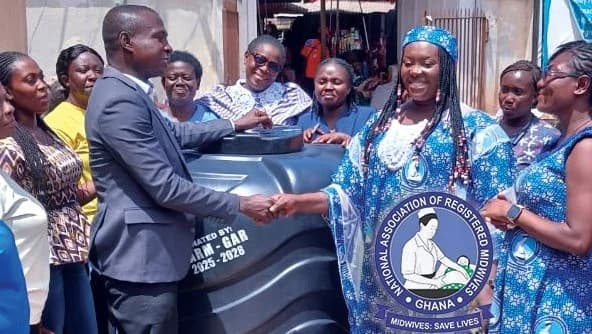
Infrastructure and preventative care also received focused attention in the Greater Accra and Ashanti regions. The Greater Accra Regional branch of the National Association of Registered Midwives, Ghana (NARM-GAR) addressed critical water storage challenges at the Makola Government Clinic by donating a Polytank. This intervention is particularly vital as the clinic undergoes renovations, ensuring that hygiene and infection prevention protocols are maintained for maternal and child health. Simultaneously, the Telecel Ghana Foundation’s "Healthfest" extended free medical services to approximately 400 residents of Konongo in the Ashanti Region. The outreach provided screenings for hypertension and diabetes, health education, and NHIS membership registration, effectively removing financial barriers to essential health checks.
These diverse initiatives underscore a growing trend of cross-sectoral support for public health in Ghana. By combining clinical equipment, essential utility infrastructure, and community-based preventative care, stakeholders are moving beyond traditional service delivery to ensure a more resilient health system. These efforts highlight the critical role of public-private partnerships and individual leadership in achieving universal health coverage and improving the well-being of Ghanaians nationwide as the country continues to modernize its medical facilities.
This story touches markets covered on Anansi Intelligence ↗.
More from health
Continue exploring similar stories


