••
Ghana Maritime Authority and Stakeholders Drive Reforms to Boost Port Efficiency and Seafarer Welfare
•2 min read•2 sources
Stakeholders in Ghana’s maritime industry are calling for a multi-faceted approach to sector growth, focusing on digital transformation, improved inter-agency coordination, and robust welfare policies for seafarers. As Ghana seeks to solidify its position as a regional maritime hub, experts emphasize that aligning technological advancements with human resource development is essential for enhancing trade facilitation and ensuring global competitiveness. This dual focus on operational efficiency and workforce support is viewed as the primary driver for the country's maritime future.
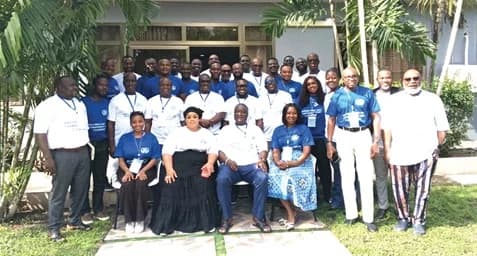
During a recent four-day workshop focused on maritime traffic and anti-corruption, industry leaders highlighted the urgent need for reforms to address governance challenges and reduce inefficiencies at the nation’s ports. A central theme was the integration of digital tools to streamline operations and promote transparency. Participants urged various maritime committees to align their work plans, arguing that better coordination among government agencies would significantly curb corruption and improve the ease of doing business. These reforms are seen as critical steps toward meeting international standards and fostering a more predictable environment for global trade partners.
Parallel to these structural reforms, the Ghana Maritime Authority (GMA) has reaffirmed its commitment to the workforce powering the industry. Marking the International Day of the Seafarer, Naval Captain Dr. Kamal-Deen Ali announced the development of a National Seafarer Development Policy. This initiative aims to bolster maritime education, integrate seafarers into national social protection systems, and create sustainable job opportunities. Dr. Ali noted that while Ghana has made significant strides in training certification, the new policy will further support the youth and women entering the field, ensuring that the maritime profession remains a viable and attractive career path for the next generation.
These dual efforts—modernizing infrastructure through digitalisation and protecting the livelihoods of maritime workers—form the backbone of Ghana’s strategy for long-term economic sustainability. By addressing both the technical bottlenecks at ports and the social needs of seafarers, the maritime sector is poised to play an even more vital role in connecting Ghana to the global economy. As these policies move from planning to implementation, the focus will remain on maintaining transparency and high standards to drive national development through the blue economy.
This story touches markets covered on Anansi Intelligence ↗.
More from business
Continue exploring similar stories


