••
Ghana Advances Public Health and Environmental Safety Through LPG Awareness and New Eco-Friendly Cooling Labels
•2 min read•3 sources
In a coordinated effort to improve public health and environmental standards, the National Petroleum Authority (NPA) and the Environmental Protection Authority (EPA) have launched major initiatives targeting domestic energy safety and sustainable cooling. These developments, announced during the 2026 World LPG Day celebrations and through new regulatory frameworks, aim to transition Ghanaians toward cleaner energy sources and more efficient appliances. The shift is designed to mitigate the health risks associated with traditional cooking fuels and harmful synthetic refrigerants, marking a significant step in the nation’s commitment to both climate action and citizen well-being.
On June 8, 2026, the NPA marked World LPG Day in Accra with the launch of a nationwide campaign themed "LPG: Pass It Forward." During the event, the Minister of Energy, Dr. John Abdulai Jinapor, highlighted that LPG penetration in Ghana has reached 43%. While this growth is significant, the Minister emphasized the urgent need to transition the remaining population away from traditional biomass fuels, which contribute to indoor air pollution and respiratory illnesses. To support this transition safely, NPA CEO Godwin Kudzo Tameklo stressed that safety is a shared responsibility, calling for heightened awareness to prevent domestic accidents while promoting the health benefits of clean cooking energy.
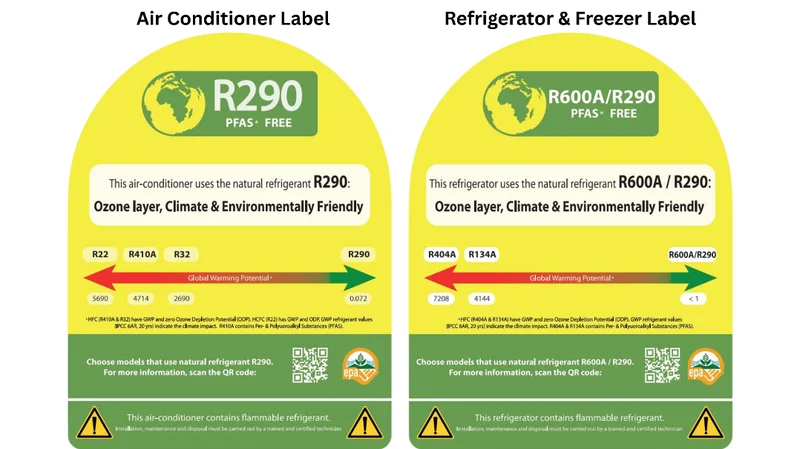
Simultaneously, the EPA has introduced a voluntary "green" or "eco" refrigerant label for air conditioners, refrigerators, and freezers. This initiative identifies appliances using natural refrigerants, specifically R290 and R600a, which are safer for human health and do not deplete the ozone layer. Unlike conventional units that rely on synthetic refrigerants, these eco-friendly alternatives offer a dual benefit of environmental protection and economic relief. Through a partnership with the Switzerland-based KliK Foundation, the program incentivizes the use of R290 split air conditioners, which can reduce electricity costs by up to 60%, making sustainable cooling more accessible to the Ghanaian public.
These combined efforts reflect a broader national strategy to integrate environmental sustainability with public health protection. By promoting the safe use of LPG and the adoption of natural refrigerant appliances, Ghana is addressing the environmental impact of modern living while reducing health vulnerabilities. Moving forward, both the NPA and EPA are urging stakeholders, including retailers and consumers, to prioritize these certified safe and green technologies. Information regarding participating retailers and safety guidelines is being made available through the respective agencies' platforms to ensure a seamless transition to a cleaner, safer future.
This story touches markets covered on Anansi Intelligence ↗.
More from health
Continue exploring similar stories


