••
Ghana Faces Escalating Public Health Crisis as Overflowing Landfills and E-Waste Pollution Threaten Communities
•2 min read•3 sources
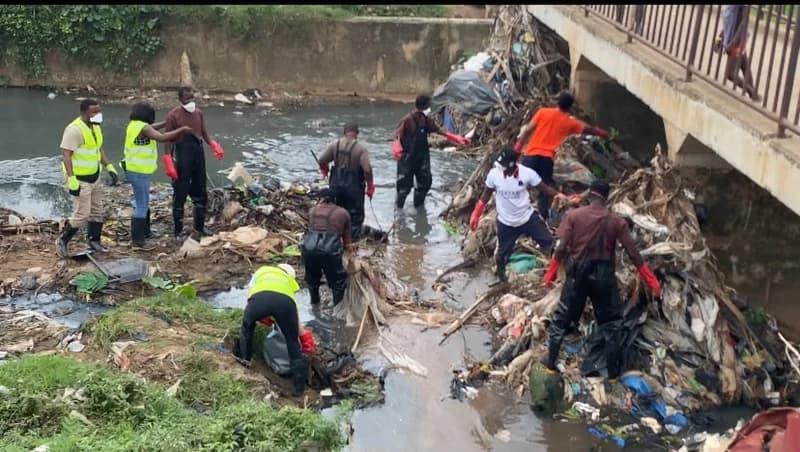
Ghana is currently grappling with a severe sanitation and waste management crisis that is draining the national economy of an estimated GH‵420 million annually while posing immediate risks to public health. According to data from the World Bank and advocacy group Re|Root Collaborative, the lack of proactive investment in sanitation infrastructure has left urban centers vulnerable to devastating floods and property damage. This financial drain is compounded by a growing environmental health emergency where inadequate waste logistics and failing disposal sites are exposing citizens to toxic pollutants and infectious disease risks across the country.
In the Greater Accra Region, the situation has reached a breaking point at the Kpone landfill site. Residents of Kpone and Tema Community 25 are urgently demanding the decommissioning of the facility, which has far exceeded its intended capacity. The site’s deterioration has led to severe air pollution and persistent foul odors, prompting fears of a localized public health emergency. The crisis is further exacerbated by tricycle waste collectors who, unable to offload refuse at the saturated landfill, have resorted to illegal dumping at unauthorized sites, creating new environmental hazards throughout neighboring communities and complicating municipal waste management efforts.
Beyond the immediate nuisance of overflowing refuse, scientific research is revealing a more insidious threat to the national food chain. A study from the University of Ghana has sounded the alarm over informal electronic waste recycling at Agbogbloshie, where the burning of electronics releases heavy metals like lead and mercury. These toxic substances are reportedly contaminating both livestock and human milk in surrounding areas. Health experts warn that children are particularly vulnerable to these pollutants, which can cause irreversible neurological damage and developmental disorders, highlighting a critical failure in environmental regulation and food safety oversight.
Addressing these multifaceted challenges requires a fundamental shift from reactive disaster management to strategic, long-term infrastructure development. Stakeholders have criticized the perceived misallocation of the Sanitation and Pollution Levy, arguing that funds must be transparently directed toward regular waste collection, modern recycling facilities, and public education. As advocacy groups call for increased community involvement and better funding models, the government faces mounting pressure to implement safer recycling practices and resolve the landfill crisis before the environmental and health impacts become irreparable for future generations.
This story touches markets covered on Anansi Intelligence ↗.
More from health
Continue exploring similar stories


